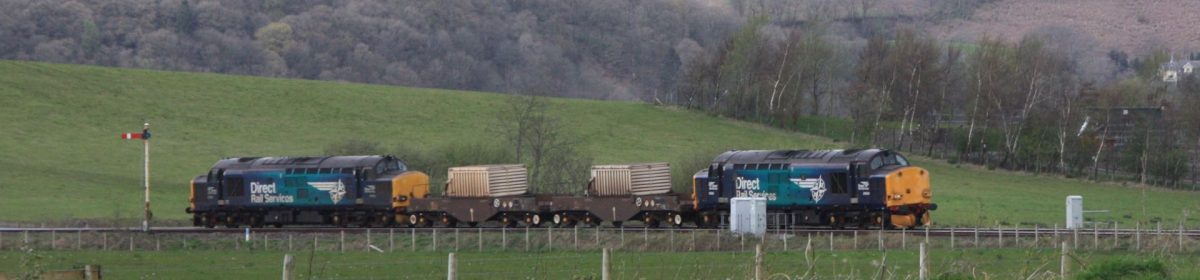
 There are a number of wonderful outposts of mechanical signalling along the East Coast Main Line north of Edinburgh, notably Arbroath and Stonehaven, but one I had not previously visited was Carnoustie, world-renowned host of golf’s Open Championship on no less than eight occasions.
Taking advantage of another ScotRail “Club 50” £17.00 flat fare offer while staying in the Scottish capital, a day trip to Carnoustie on Wednesday, 5 February 2020 also gave me the chance to take a pleasant walk alongside the golf links and railway to visit two of Britain’s least used stations, Golf Street and Barry Links. Continue reading “It’s a fairway to Carnoustie”
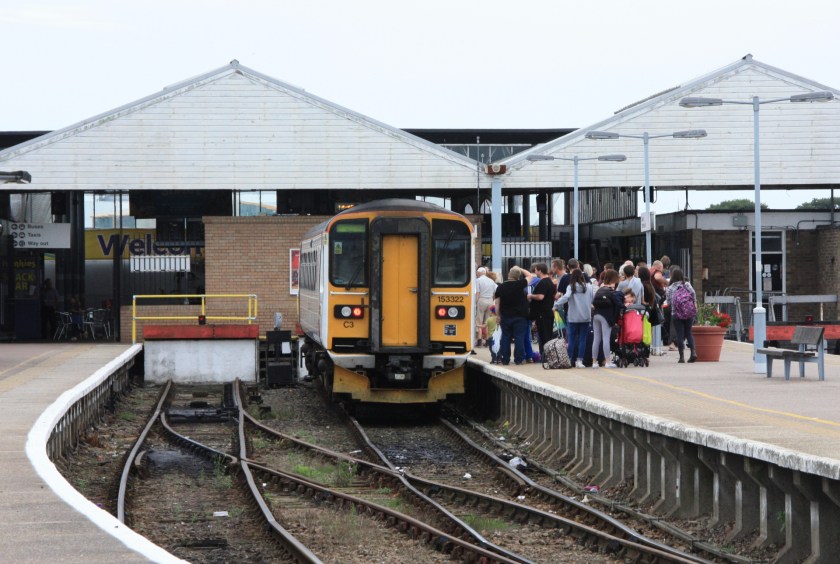
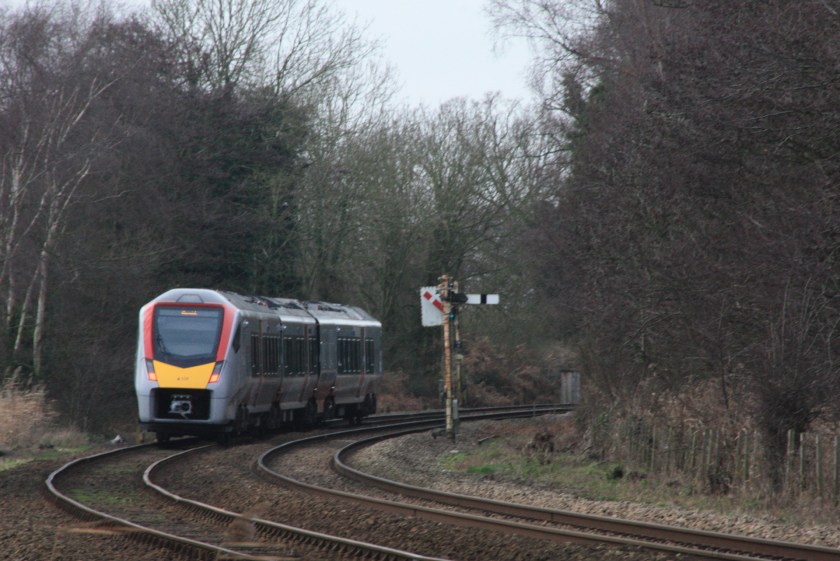 All good things come to an end, and so it does this weekend for the marvellous signal boxes and semaphore signalling along the Wherry Lines from Norwich to Great Yarmouth and Lowestoft, which have at least lasted a year longer than planned, owing to delayed commissioning of the new signalling.
 Time may almost be up for mechanical signalling along the 23½ miles of route between Norwich and Lowestoft, but some 100 miles further up the East Coast the era of semaphores lives on along an almost identical length of line.
 As there are just two weeks left to savour semaphore control of the Wherry Lines from Norwich to Great Yarmouth and Lowestoft, this felt like the moment to pay a farewell visit, and attempt to see some Class 755 action at the same time.
 Aside from looking at the fluctuating list of our least used stations, one of the other fascinating aspects of the annual ORR station usage statistics is to examine those stations which have seen most growth in passengers, and attempt to identify any pattern to the changes.
 Just like everything else about our railways, be it timetables, electrification or new rolling stock, it was running late. But 14 January 2020 has finally seen publication of the Office of Rail & Road’s (ORR) eagerly-awaited station usage statistics for 2018/9.
 An October 2019 visit to Bognor Regis and Littlehampton had reminded me that the South Coast currently plays host to our oldest mainline EMUs – the fleet of 19 Class 313 units, which transferred from London Overground to Southern almost a decade ago (May 2010) and dates from 1976-7.
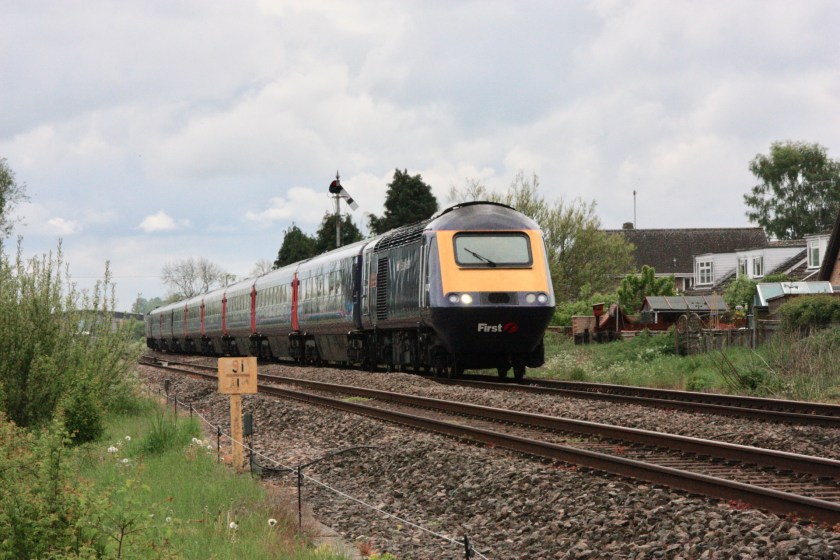 As another year draws to a close, this seems like the ideal opportunity to take a look back at 2019 on our railways, as captured on my travels around Great Britain over the past year, and a chance to reflect on the rapidly changing face of our network in some of my favourite images of the past 12 months.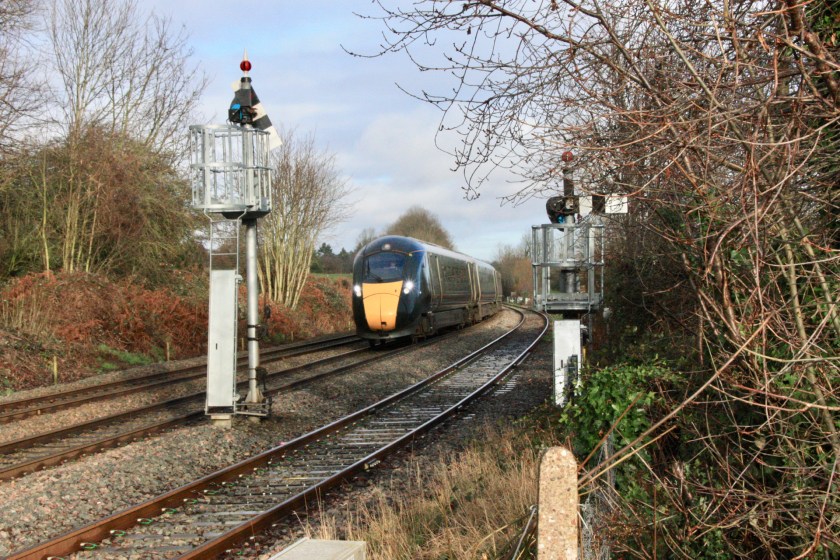


You must be logged in to post a comment.