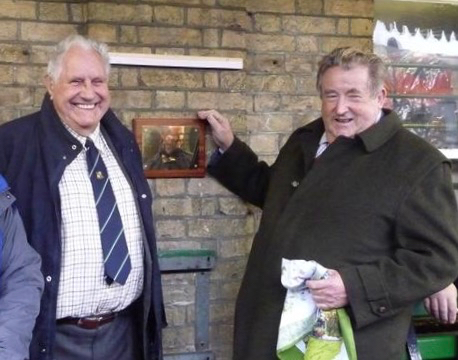
Robin Higgs OBE (left) stands alongside another legendary railway enthusiast, the late Sir William McAlpine, at Alton station on Saturday, 20 November 2010. McAlpine had been invited to unveil a plaque marking completion of the station re-signalling project.
Five years ago I took my first step towards becoming a regular volunteer on the Mid-Hants Railway when I attended an introductory event at Alresford. Along with a group of other would-be volunteers, I was then taken by train to Ropley, where a sprightly gentleman in his 80s introduced himself to me and enthused about the Watercress Line. Continue reading “Robin Higgs OBE: a personal tribute”
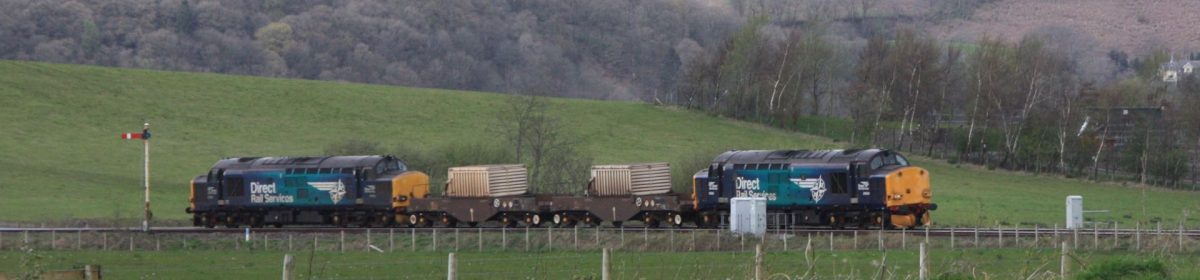
 A year after its experimental summer Saturday services to Corfe Castle were heavily blighted by RMT industrial action, this year’s resumption seems to have got off to a pretty dismal start.
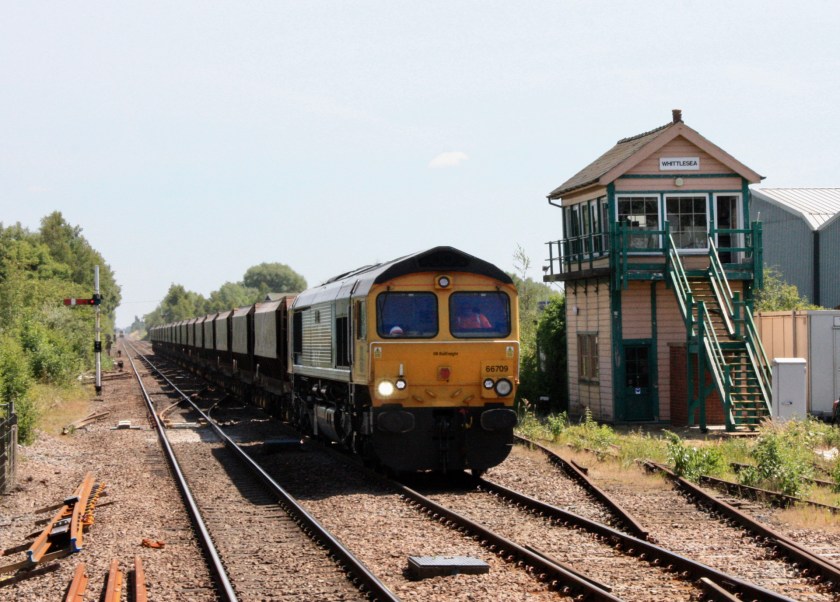 It has been described by local Railfuture campaigners as “one of the strangest and most unwelcoming stations in East Anglia” but is nevertheless a place well worth visiting for its signalling interest and for the frequency and variety of passing rail traffic.
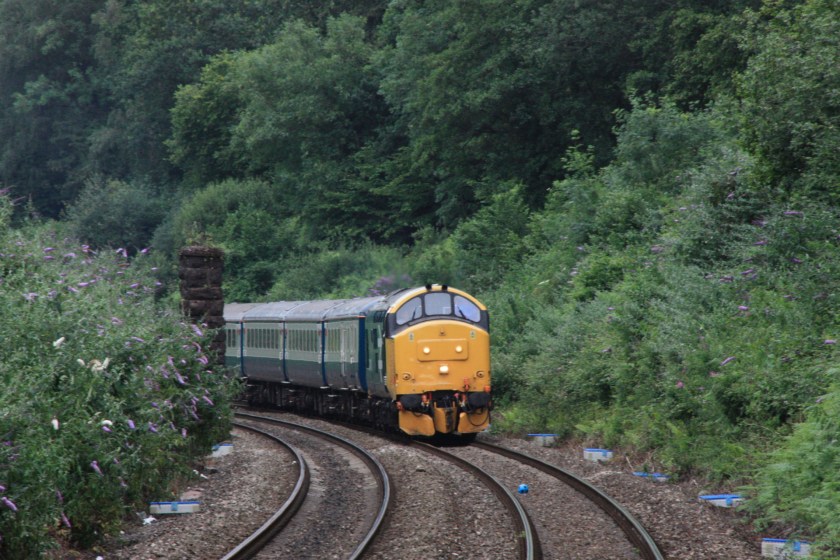
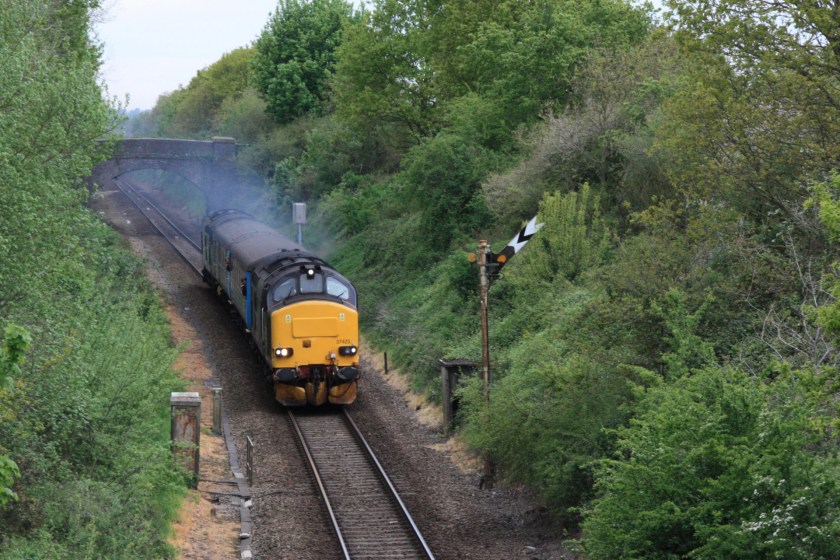 Any day now the wonderful sight and sound of Class 37s top-and-tailing two or three coaches on services between Norwich, Great Yarmouth and Lowestoft will finally come to an end, as the new Stadler Class 755 bi-mode units enter service.
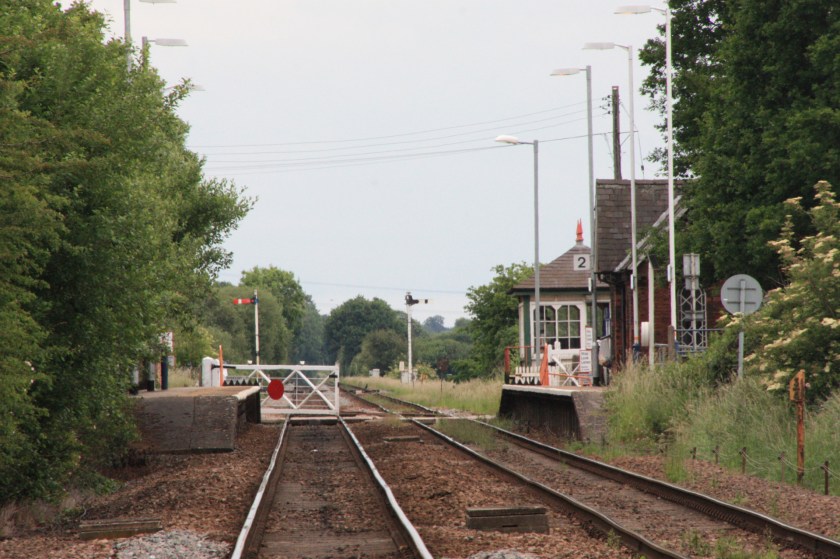 Travelling around Lincolnshire in search of mechanical signalling to feature in my new book, I spent some time on the wonderful Poacher Line from Grantham to Skegness, as well as visiting Gainsborough and New Holland, but somehow overlooked another fine working signal box.
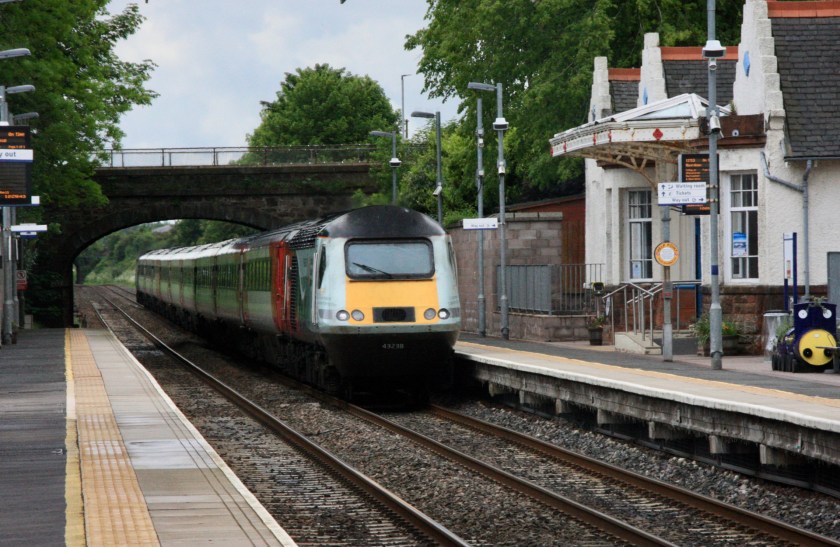 Re-signalling in the Aberdeen area has meant closure of signal boxes at Inverurie, Dyce and Newtonhill, but further south, on the section of East Coast Main Line to Dundee, there are a number of fine outposts of mechanical signalling, notably at Stonehaven and Arbroath, but also at half a dozen other smaller places.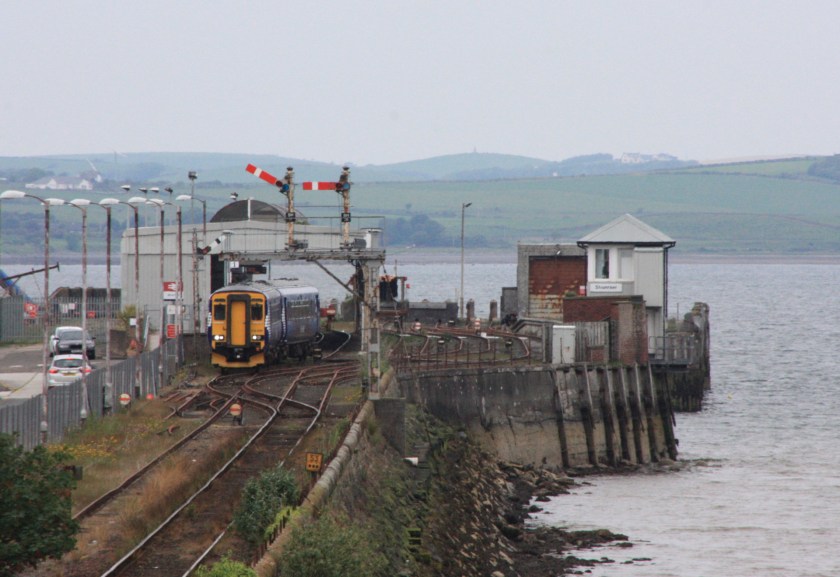
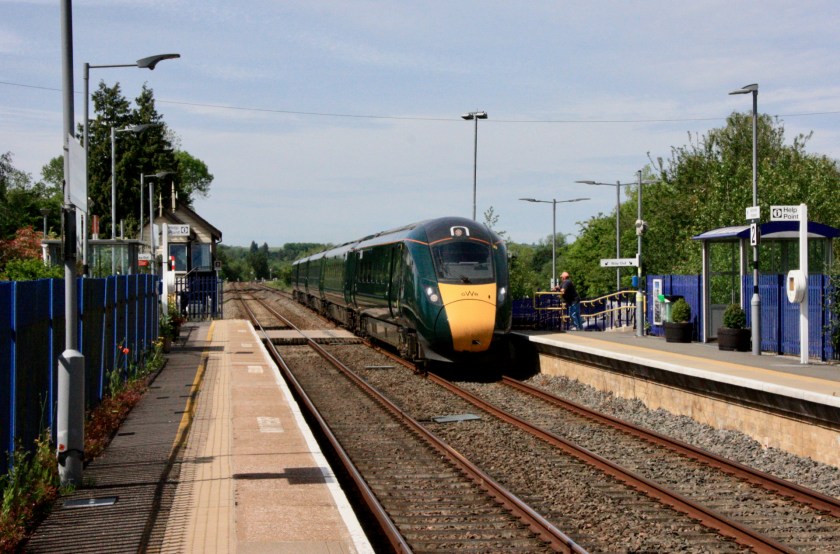 Nowhere in the London commuter belt does any rail traveller enjoy a less frequent or convenient rail service than that offered to the inhabitants of three attractive North Oxfordshire villages – Ascott-under-Wychwood, Finstock and Combe.
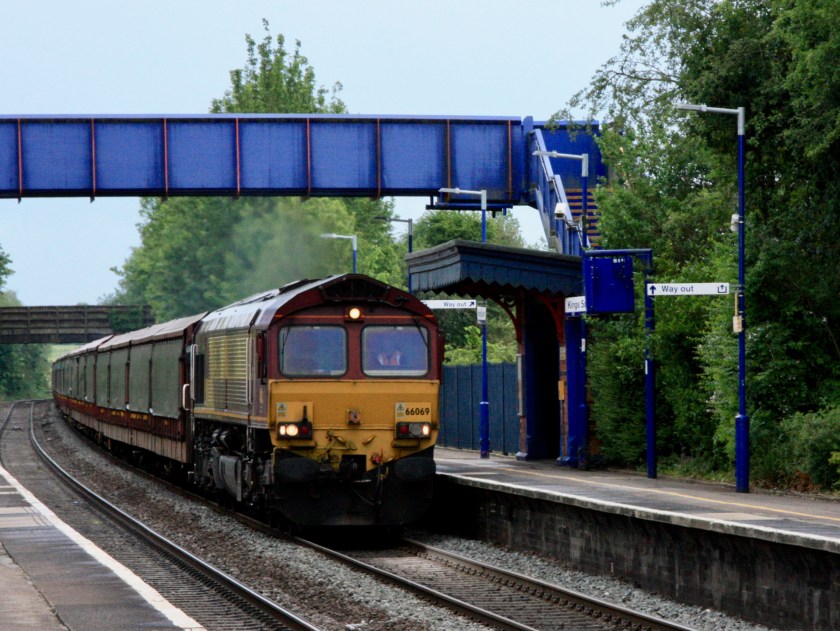 Not a place notable for its signalling interest, but a pleasantly rural spot that is worth a visit for the variety and frequency of traction passing through this very quiet station, four miles south of Banbury.
 RailwayWorld.net
You must be logged in to post a comment.