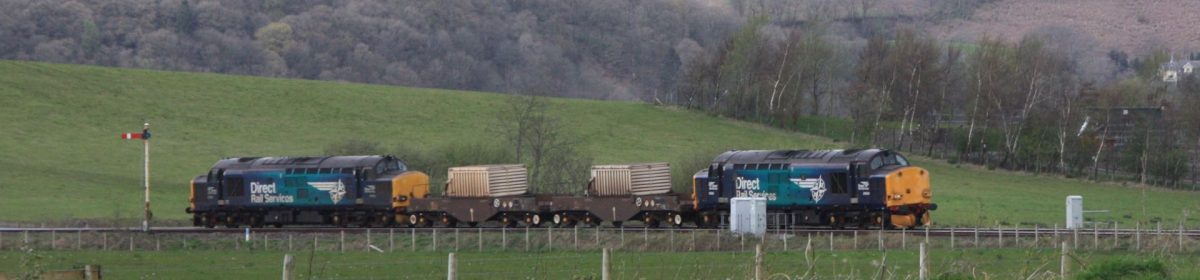
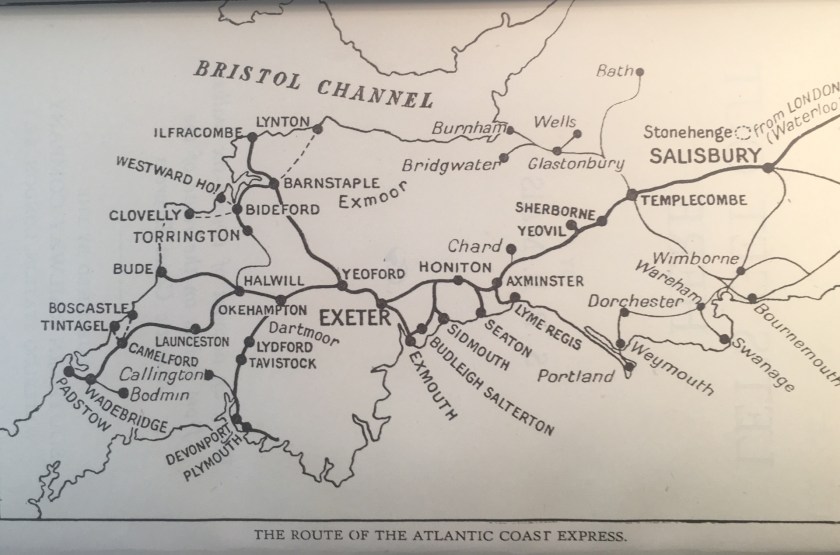
Today it would unquestionably be regarded as one of the UK’s most scenic rail journeys, but sadly the six miles of railway line from Wadebridge to Padstow was lost to the network in January 1967. Now the only way now of travelling these final miles of the famous Atlantic Coast Express (the ACE) are on foot, or by bike, along what has now become part of the hugely popular Camel Trail.
Taking a delightful and leisurely two-hour stroll, it is not difficult to imagine those final nine minutes aboard the ACE as it neared the end of its 259¾ mile journey from London Waterloo (11.00) and had seen portions of the train detached along the way for Exmouth, Sidmouth, Bude, Plymouth, Ifracombe and Torrington, before the remaining three coaches finally reached the Padstow buffer stops at 5.21pm. Continue reading “On the trail of the Atlantic Coast Express”
 Friday lunchtime on 29 June 2018 and the end of a scorching week in the sunny South West. Standing on platform 5 at Exeter St. David’s and waiting for the slightly delayed arrival of the 13.02 “Cornishman” to London Paddington, an announcement that the train is one coach short (a shortage of coaches, we are told!) and that the service is already “full and standing” is hardly the news any weary traveller wants to hear.
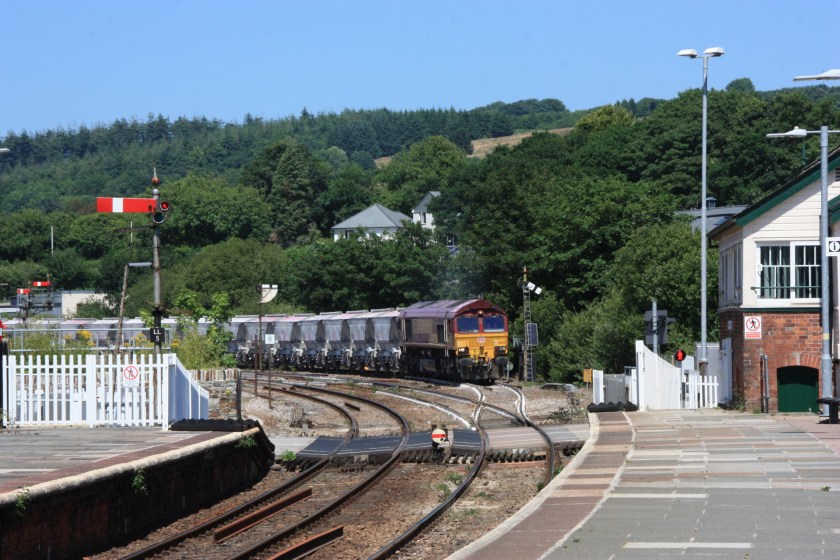 Among a number of marvellous locations in Cornwall to savour GWR-style lower quadrant signalling, one of the most attractive must surely be the delightful town of Lostwithiel, standing on the banks of the River Fowey, with its station and signal box situated just over the 16th century Lostwithiel Bridge from the town itself.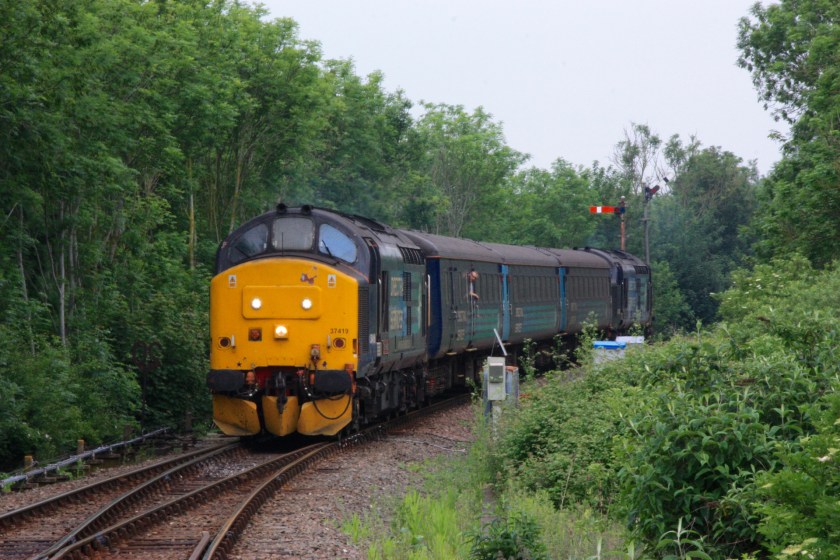
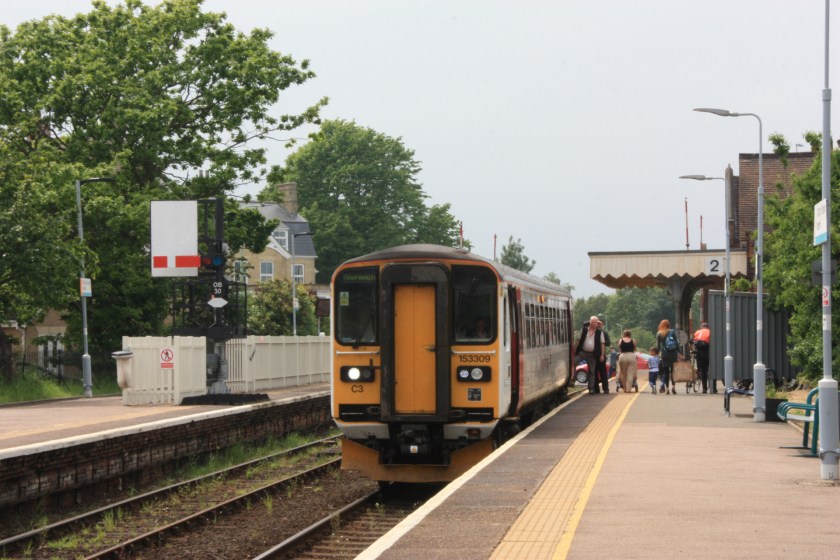 For its combination of manual signalling, interesting scenery and the regular chance of Class 37-haulage, there can be few places in England more attractive for rail enthusiasts than the Wherry Lines in Norfolk, linking Norwich with the seaside resorts of Great Yarmouth and Lowestoft.
 Basingstoke to Wareham is 96 miles on the direct route via Southampton Central, but take a new summer Saturday “seaside special” and the distance becomes exactly 150 miles, while the journey time increases from around one hour 40 minutes on the main line to almost four hours!
 Several locations on the national network can boast a mixture of upper and lower quadrant signals, but my shot today of a train passing successive upper and lower quadrant signals at Dorrington got me wondering if there are any other places where it is possible to see such a scene?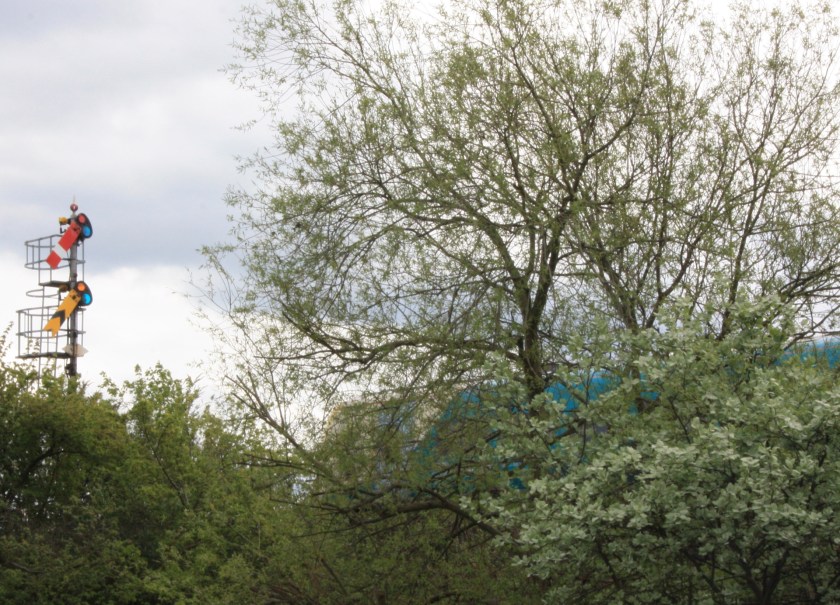
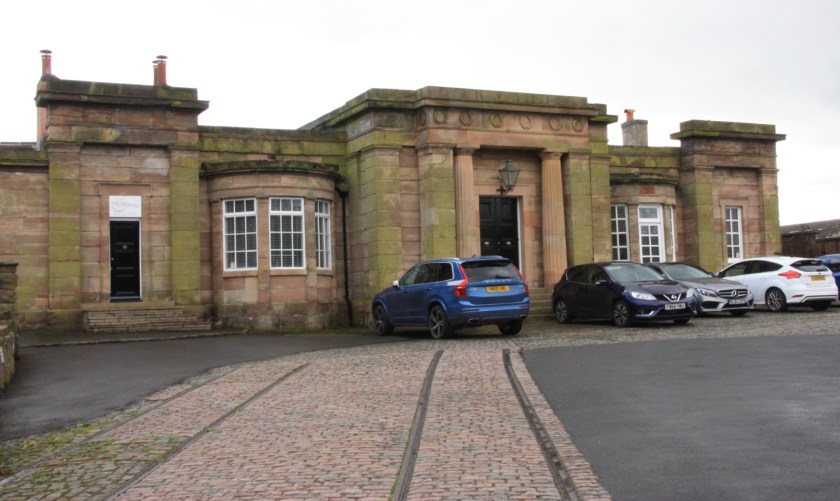 Among the many railway revival schemes around the country, one of the most longstanding and compelling is the 31-mile long “Ivanhoe Line” linking Burton-upon-Trent and Leicester.
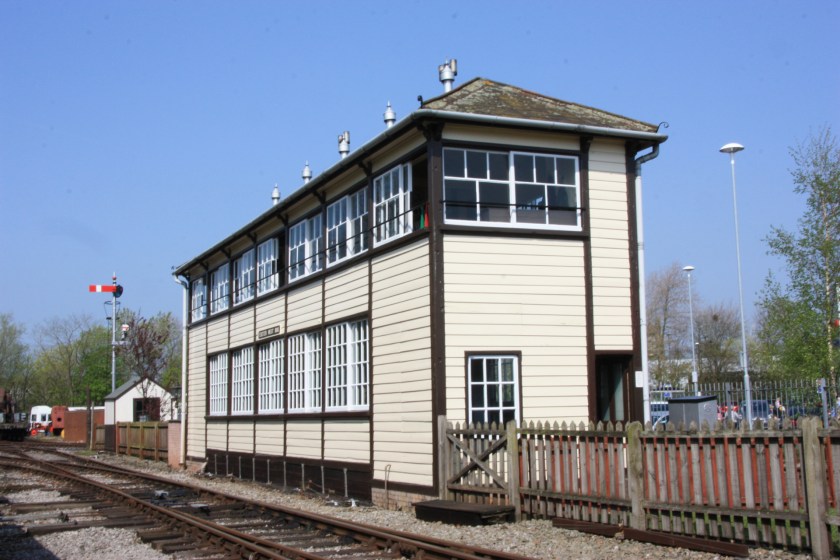 Finding new uses for redundant Signal boxes is often no easy matter. While some do find a new lease of life – cafes at York and Totnes being good examples – many other fine structures are simply boarded up and left unloved, where the years inevitably take their toll, or they eventually succumb to fire damage.
 RailwayWorld.net
You must be logged in to post a comment.