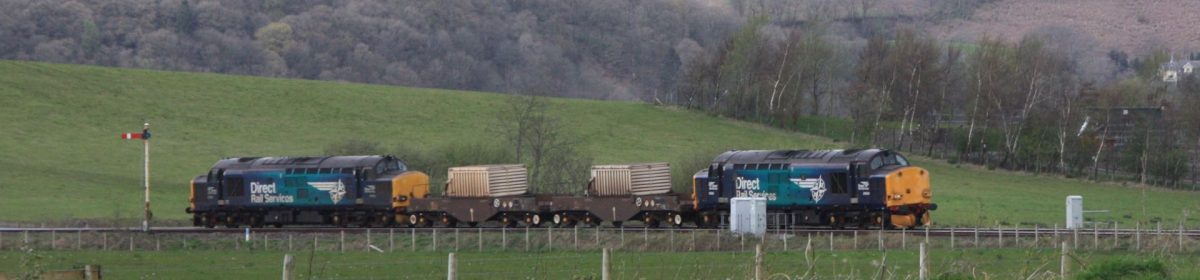
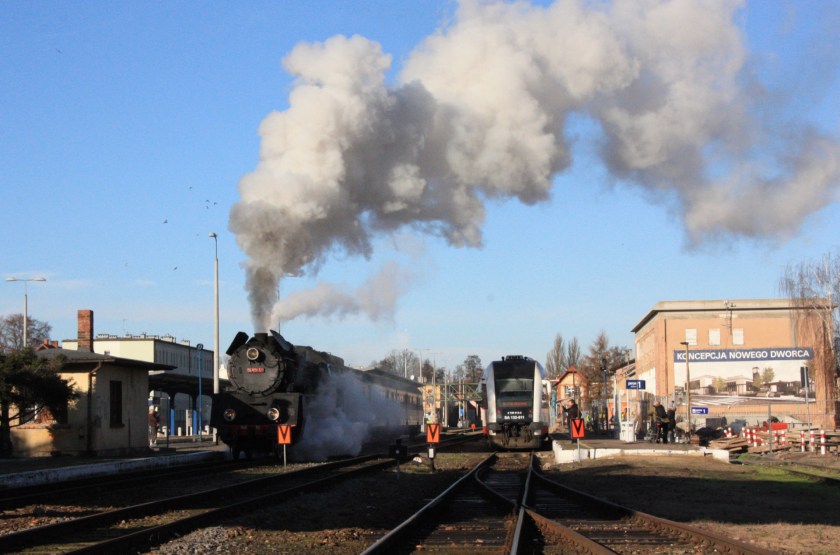
 Daily steam working will now continue from Wolsztyn in western Poland into 2020, at least until the famous May Day Parade event, and there is even the prospect of extended weekday operations from the world-famous depot.
Plans to refurbish a water column on platform one, as part of the station re-building, would allow steam services to run from Leszno and through Wolsztyn all the way to Zbaszynek on the Berlin-Warsaw main line. Continue reading “A new direction for Wolsztyn steam”
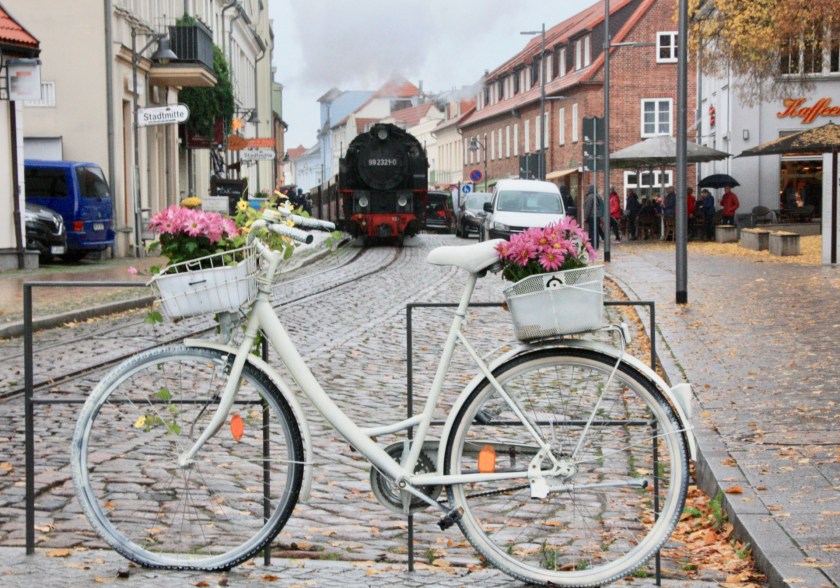 Last month’s return to the wonderful Harz metre-gauge network prompted me to pay a long-overdue first time visit to two more of the steam-worked narrow gauge railways in eastern Germany, both on the country’s attractive Baltic coast.
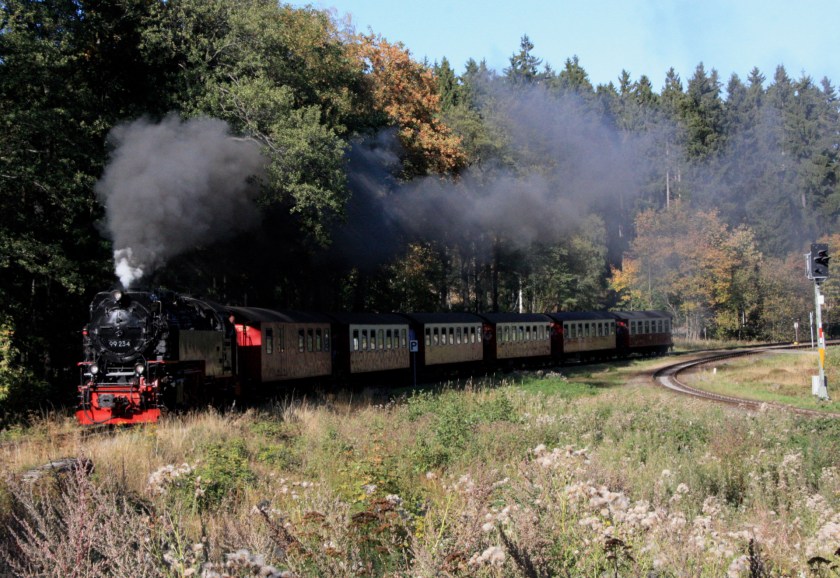 Imagine an attractive and rural corner of Central Europe where you can travel on your own steam-hauled narrow gauge train just as the sun is rising, and then spend all day riding a vast narrow gauge network for around £13 a day.
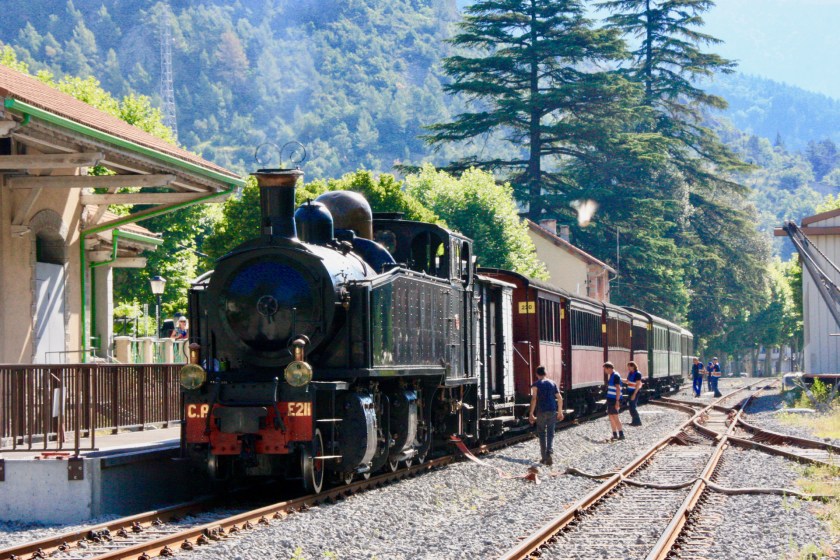 There is something rather special about a trip on France’s longest narrow gauge railway, particularly when it means the chance of a front seat view from a 1970s railcar, as it snakes along the banks of the picturesque River Var.
 In what could well be the final year of daily scheduled steam operation, a major change to the workings from Wolsztyn depot in western Poland is taking place immediately after its famous May Day “Parade” event, which occurs this year on Saturday, 4 May.
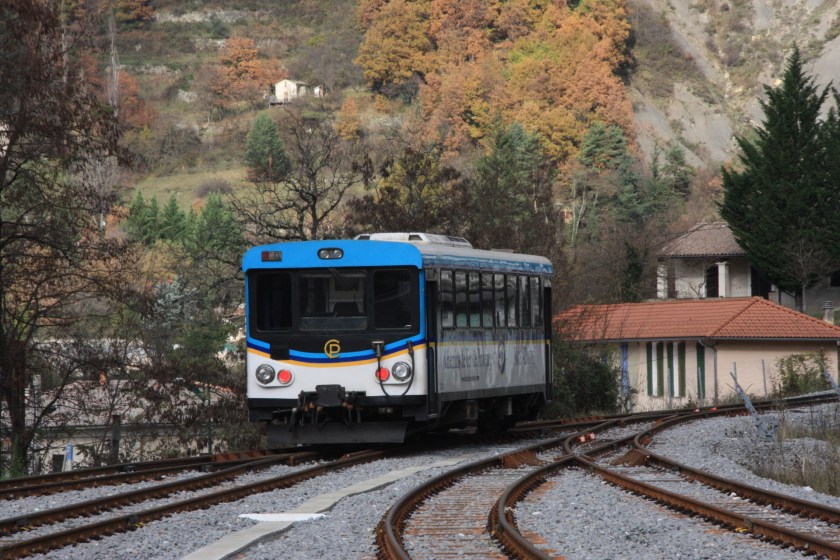 Paying a long overdue return to the remarkable Chemins de Fer de Provence (CP) metre-gauge line from Nice to Digne-les-Bains, almost exactly 30 years after my first visit, it was interesting to see how much has changed, but also what has not.
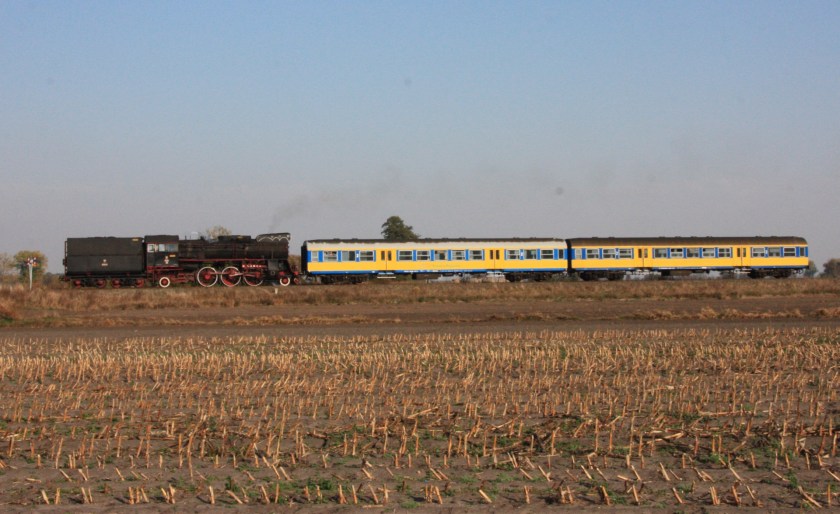 Europe’s last scheduled main line steam services look set to end in little more than a year’s time, with the timetable change on Saturday, 7 December 2019, when a three year agreement to maintain steam working from Wolsztyn in western Poland is due to expire.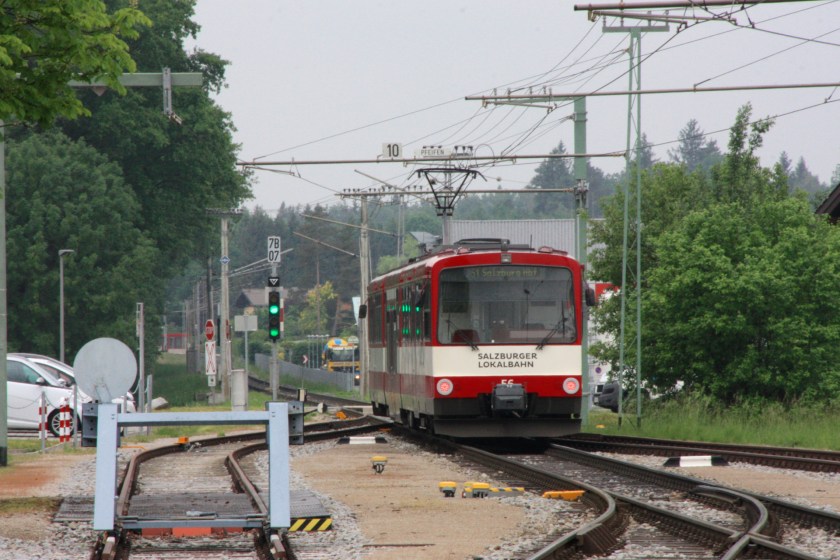
 Services are run in two sections, with the main S1 route operating the 25.6 kms (16 miles) from Hauptbahnhof to Lamprechtshausen, while a shuttle service (S11) connects with these services at Burmoos, two stops before Lamprechtshausen, and runs through very rural terrain to the northernmost terminus at Ostermiething.
 RailwayWorld.net
You must be logged in to post a comment.