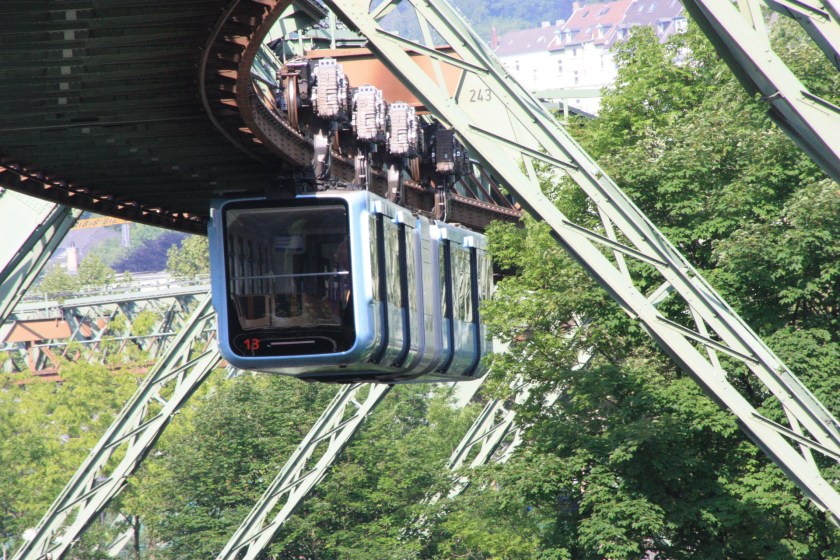
Intensive test running has begun on the Wuppertal suspension monorail ahead of its planned re-opening to passengers in August, ten months after damage to its track led to the suspension of services in mid-November.
During a visit to the town on 23 May, empty trains were running along the unique and world-famous 13.3km (8.3 mile) route at 3-4 minute intervals, with services being indicated outside stations, but the stations themselves remaining locked. Continue reading “Testing time in Wuppertal”
 In what could well be the final year of daily scheduled steam operation, a major change to the workings from Wolsztyn depot in western Poland is taking place immediately after its famous May Day “Parade” event, which occurs this year on Saturday, 4 May.
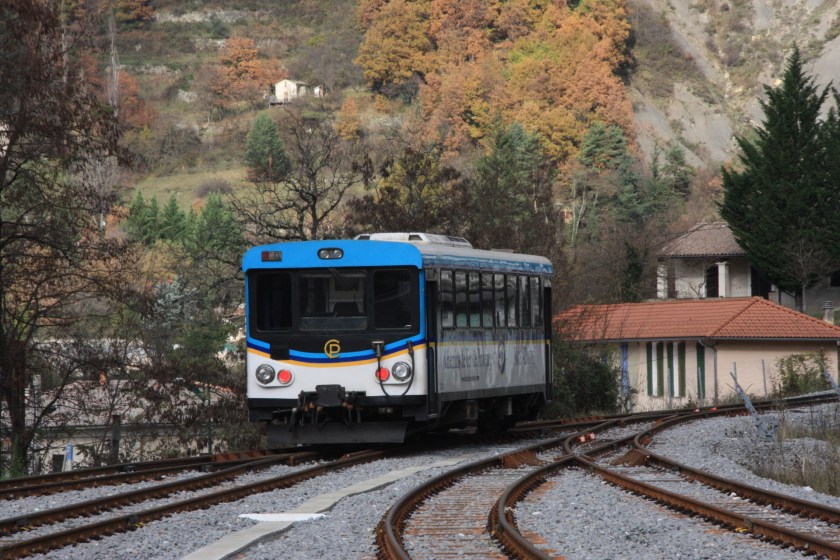 Paying a long overdue return to the remarkable Chemins de Fer de Provence (CP) metre-gauge line from Nice to Digne-les-Bains, almost exactly 30 years after my first visit, it was interesting to see how much has changed, but also what has not.
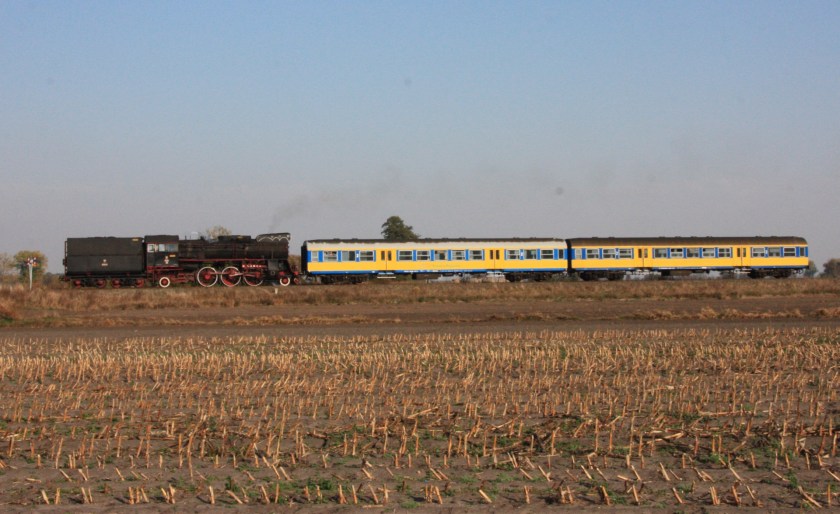 Europe’s last scheduled main line steam services look set to end in little more than a year’s time, with the timetable change on Saturday, 7 December 2019, when a three year agreement to maintain steam working from Wolsztyn in western Poland is due to expire.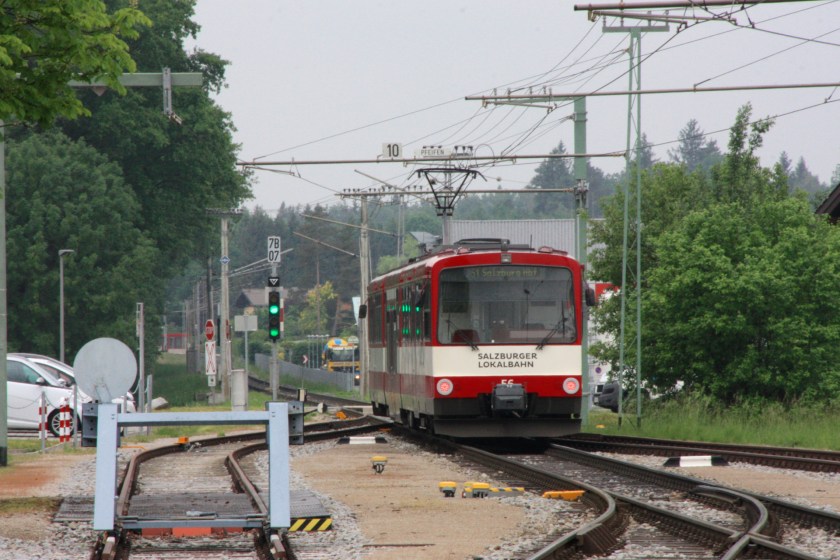
 Services are run in two sections, with the main S1 route operating the 25.6 kms (16 miles) from Hauptbahnhof to Lamprechtshausen, while a shuttle service (S11) connects with these services at Burmoos, two stops before Lamprechtshausen, and runs through very rural terrain to the northernmost terminus at Ostermiething.
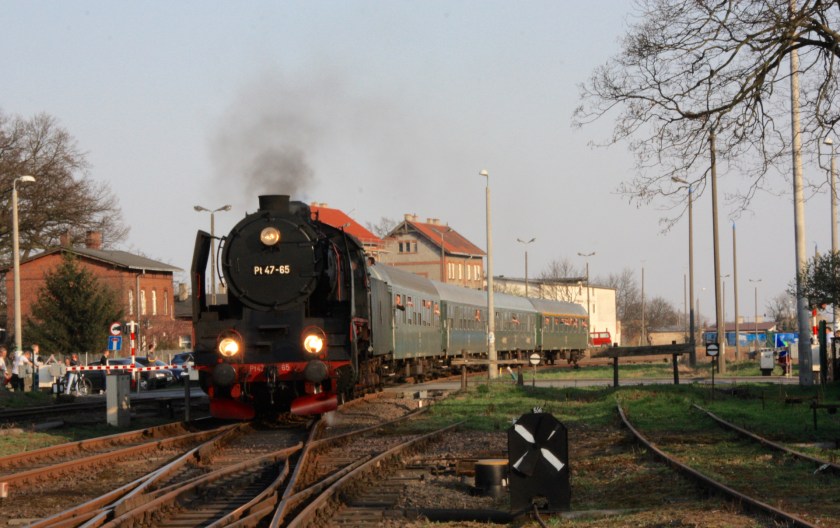 Poland has been totally transformed over the past three decades since the drab and sinister days of communist rule were overthrown by Lech Walesa and his brave shipyard workers, and nowhere is that change more evident than on PKP, the national railway network.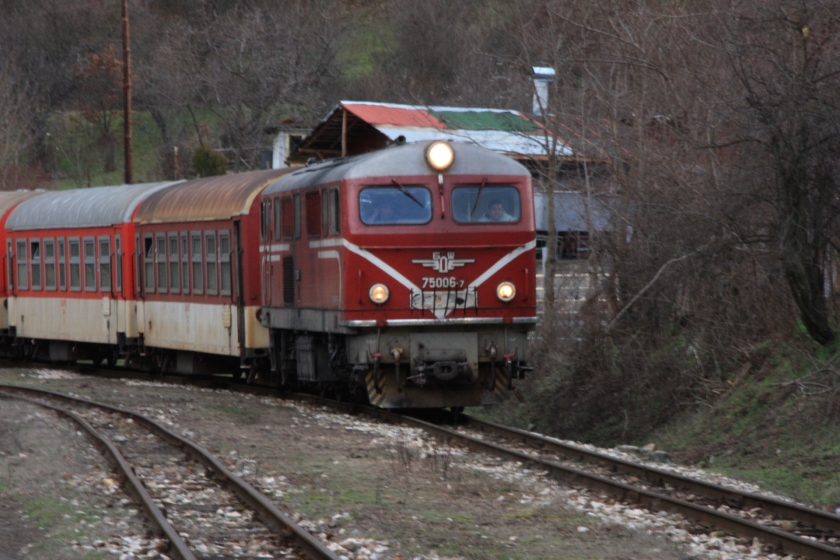
 My round trip once again took me from Stansted to Plovdiv, for a night in the splendid Alliance Hotel, a five-minute stroll from the railway station, before a 30-minute trip the following day to Septemvri. From here there are four round trips a day on the narrow gauge line, the earliest of which leaves at the unearthly hour of 02.05, with the most civilised departure being my chosen service, the Mesta, at 13.10 (all services on this route are named).
 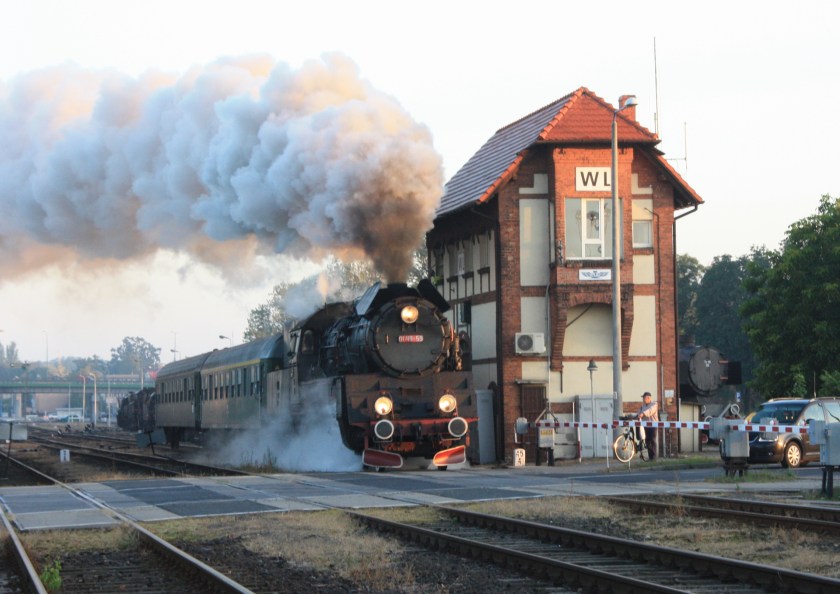 More that three years after its March 2014 suspension, (see my earlier post “Last steam to Leszno”) scheduled standard gauge steam returned to Europe in May 2017, when two return weekday services from Wolsztyn to Leszno in Western Poland returned to steam haulage.
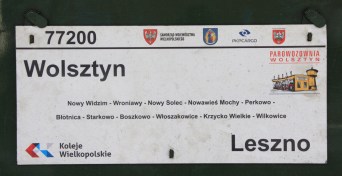 This followed the agonisingly slow setting up of a trust to own and manage the famous steam depot at Wolsztyn, the return to traffic of two locomotives and the sourcing of suitable coaches to operate the service, which should also see two Saturday round trips between Wolsztyn and Poznan, once track renewal work has been completed later this year.
 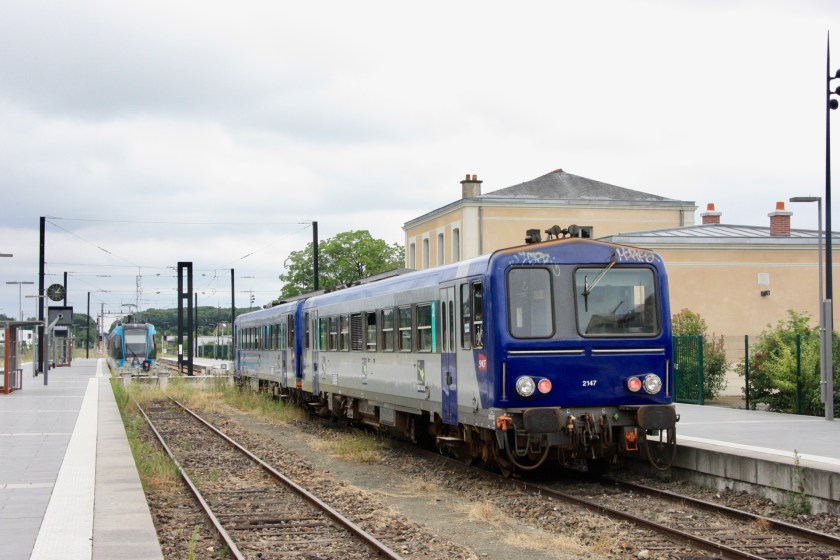 In summer 2016, Brittany remained one of only three regions in France to see local services still worked by single car X2100 units, which were in service alongside the new generation X73500 units on the branch line heading south from Rennes to Chateaubriant.

You must be logged in to post a comment.