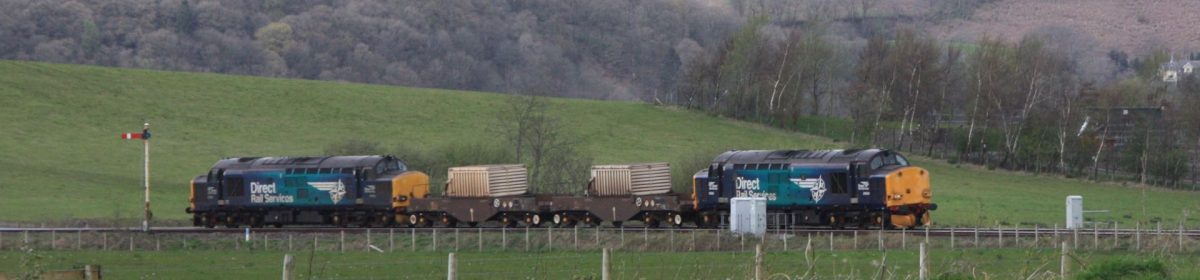
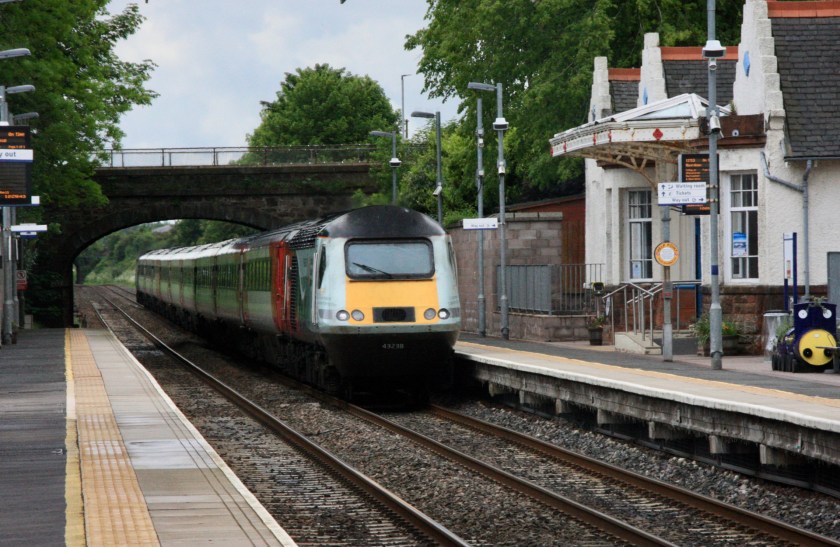
 Re-signalling in the Aberdeen area has meant closure of signal boxes at Inverurie, Dyce and Newtonhill, but further south, on the section of East Coast Main Line to Dundee, there are a number of fine outposts of mechanical signalling, notably at Stonehaven and Arbroath, but also at half a dozen other smaller places.
One of these smaller locations is Laurencekirk, a town which is now home to many commuters into the Granite City. The station here fell victim to Beeching and was closed in September 1967, but was re-opened at a cost of £3 million in May 2009 and, like so many other reopened stations, has seen traffic boom. Continue reading “Lovely Laurencekirk”
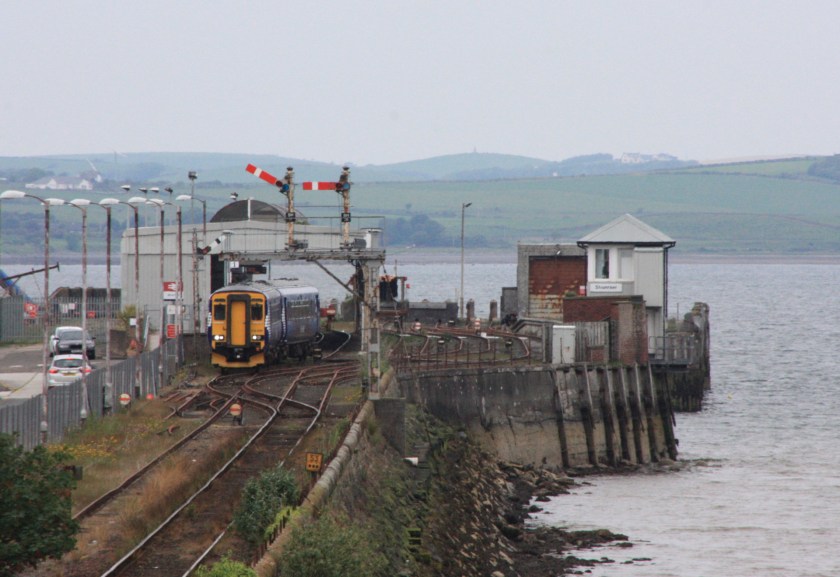
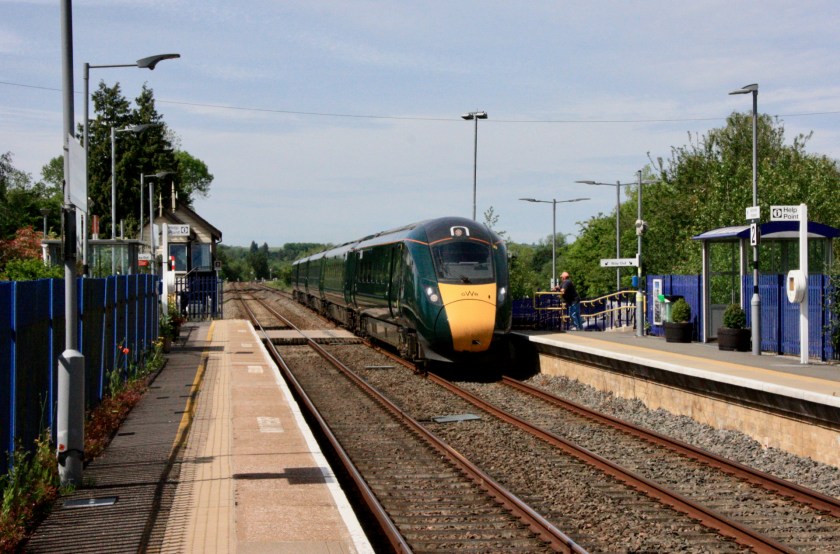 Nowhere in the London commuter belt does any rail traveller enjoy a less frequent or convenient rail service than that offered to the inhabitants of three attractive North Oxfordshire villages – Ascott-under-Wychwood, Finstock and Combe.
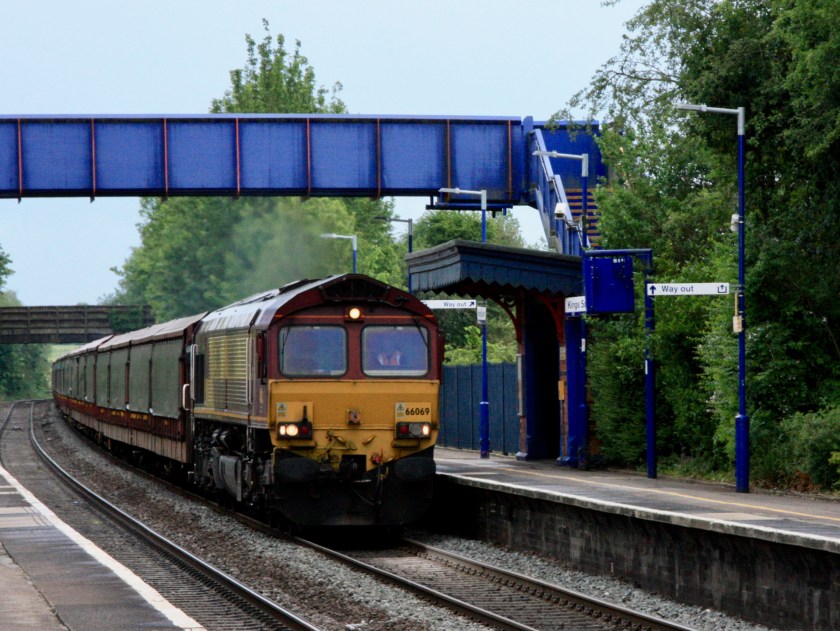 Not a place notable for its signalling interest, but a pleasantly rural spot that is worth a visit for the variety and frequency of traction passing through this very quiet station, four miles south of Banbury.
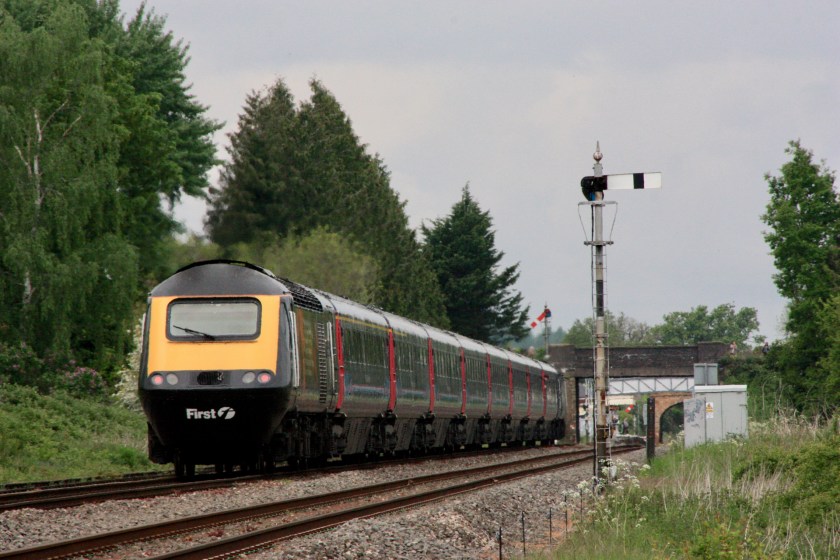
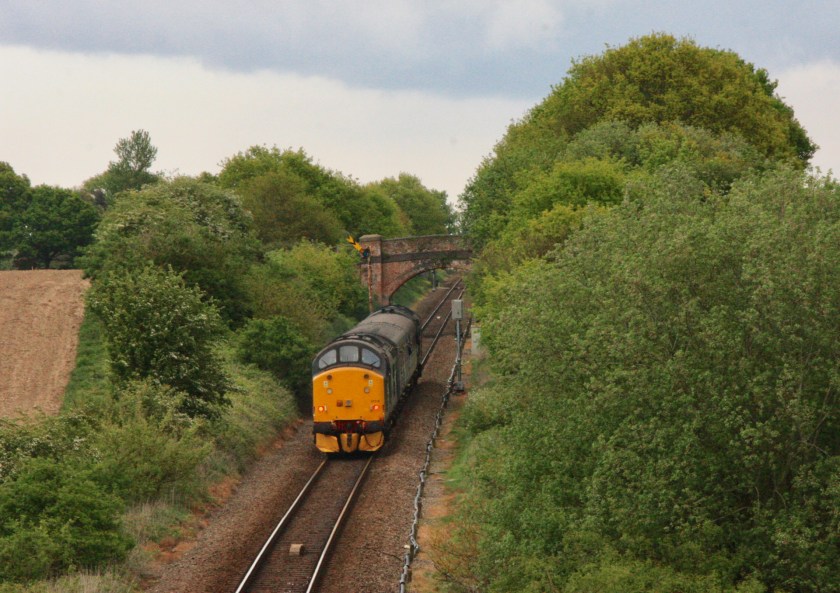 While the wait goes on for its newly-installed colour light signalling to be commissioned (see my previous post “A Wherry big delay”), one feature to savour on the Wherry Lines in Norfolk is the remarkable number of working semaphore distant signals.
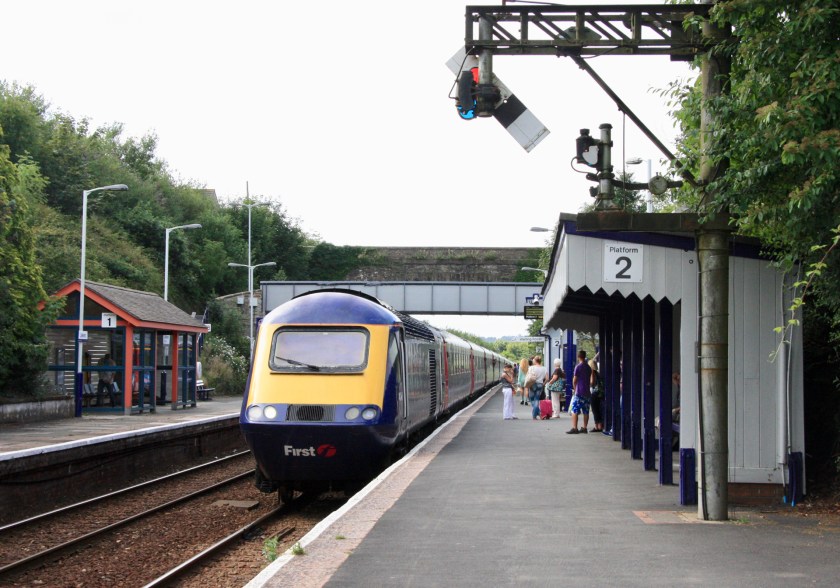 Hard to believe after 40 years, but in less than three weeks’ time long-distance High Speed Trains (HSTs) will make their final journeys on the GWR network, going out in style with a planned four departures from Paddington between 18.03 and 18.30 on Saturday, 18 May 2019.
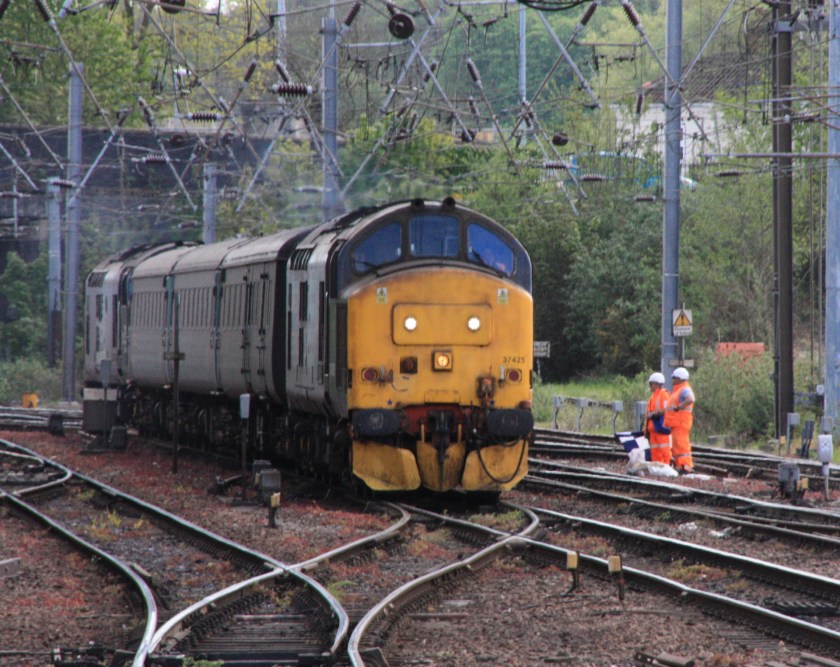 Re-signalling of the charming Wherry Lines in Norfolk was due to be completed about now, but this £67m project has joined Crossrail and Great Western electrification in falling hopelessly behind schedule.
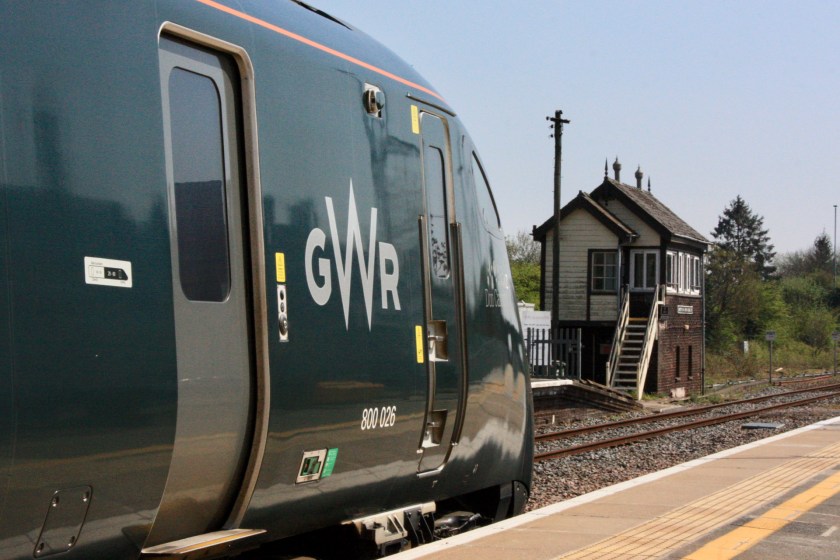 Paying an Easter Saturday (20 April 2019) visit to Moreton-in-Marsh there had been a fair bit of change since my last visit almost two years ago, when the rolling stock featured in photos accompanying my August 2017 blog included Class 166 and 180 units as well as the now fast-disappearing HSTs.

You must be logged in to post a comment.