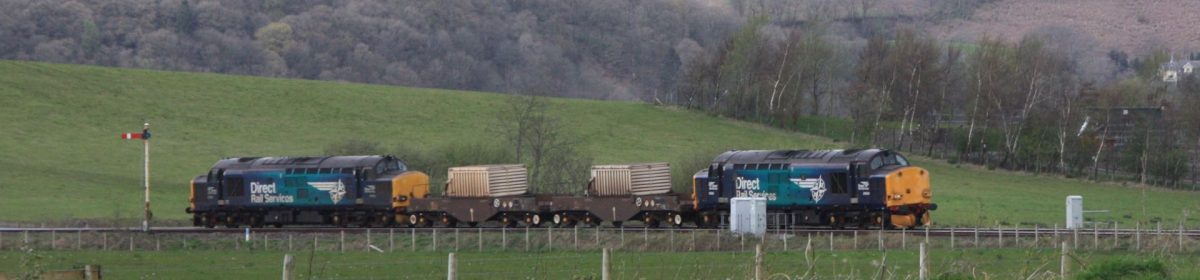
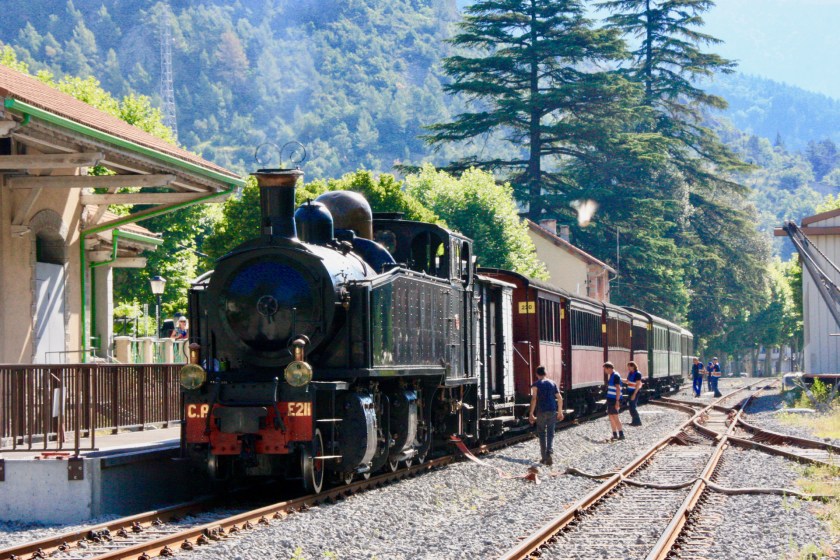
 There is something rather special about a trip on France’s longest narrow gauge railway, particularly when it means the chance of a front seat view from a 1970s railcar, as it snakes along the banks of the picturesque River Var.
But such delights may be about to end, as the Chemins de Fer de Provence (CP) should soon finally take delivery of the six ex-Mallorca Railways two-car diesel units that were supposed to have entered service here three years ago. Continue reading “Metre gauge magic in Provence”
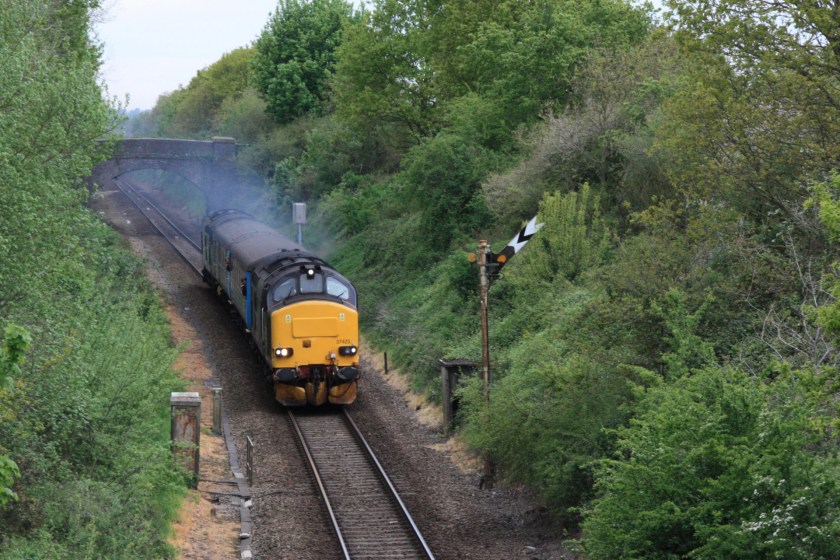 Any day now the wonderful sight and sound of Class 37s top-and-tailing two or three coaches on services between Norwich, Great Yarmouth and Lowestoft will finally come to an end, as the new Stadler Class 755 bi-mode units enter service.
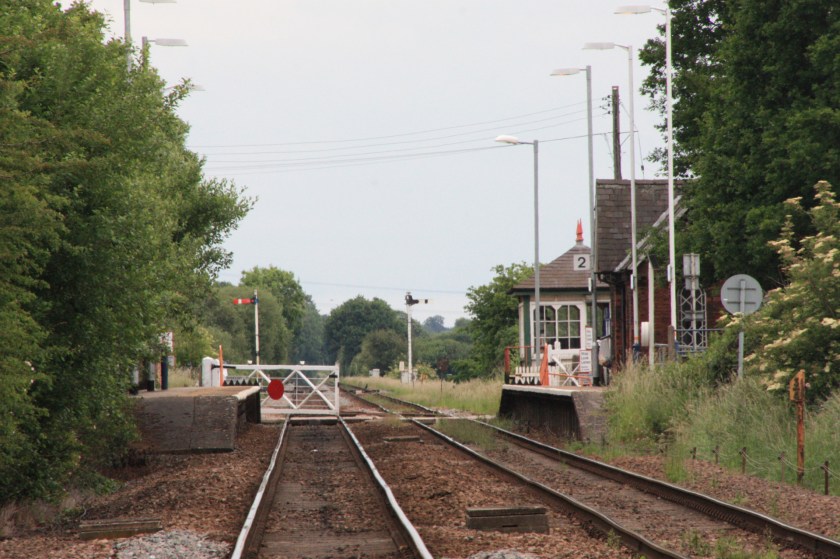 Travelling around Lincolnshire in search of mechanical signalling to feature in my new book, I spent some time on the wonderful Poacher Line from Grantham to Skegness, as well as visiting Gainsborough and New Holland, but somehow overlooked another fine working signal box.
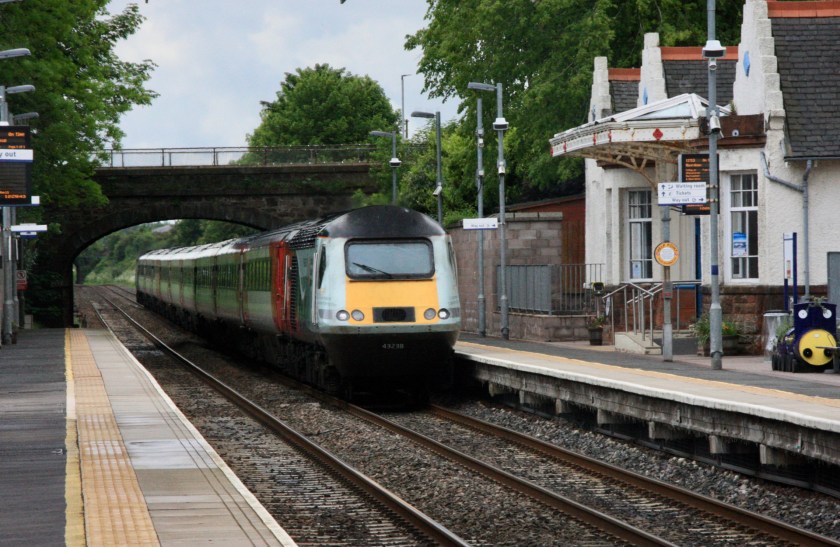 Re-signalling in the Aberdeen area has meant closure of signal boxes at Inverurie, Dyce and Newtonhill, but further south, on the section of East Coast Main Line to Dundee, there are a number of fine outposts of mechanical signalling, notably at Stonehaven and Arbroath, but also at half a dozen other smaller places.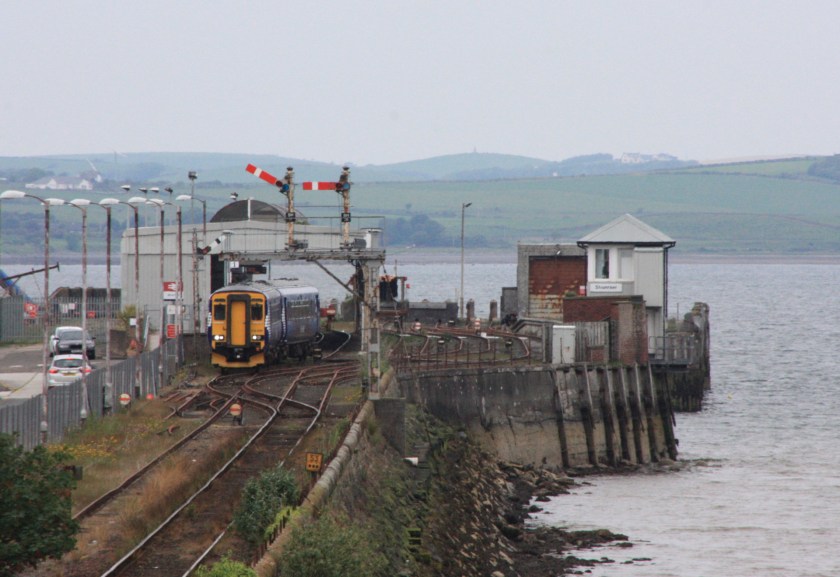
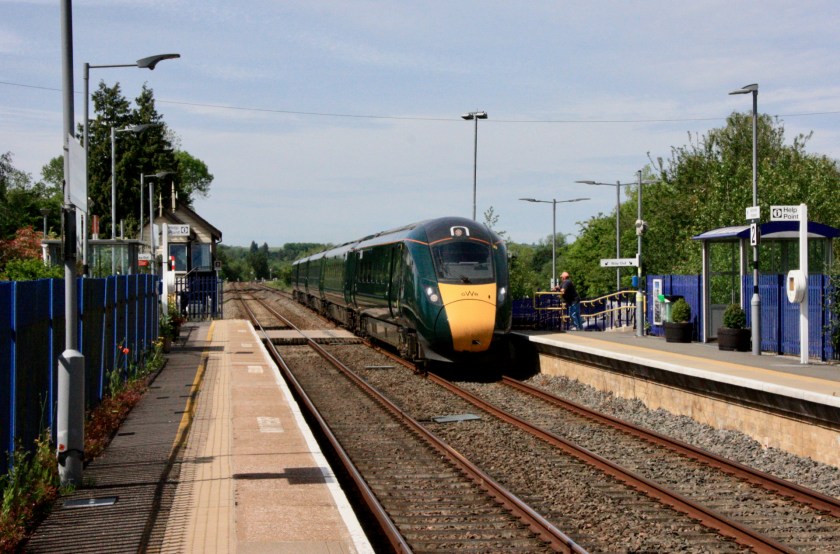 Nowhere in the London commuter belt does any rail traveller enjoy a less frequent or convenient rail service than that offered to the inhabitants of three attractive North Oxfordshire villages – Ascott-under-Wychwood, Finstock and Combe.
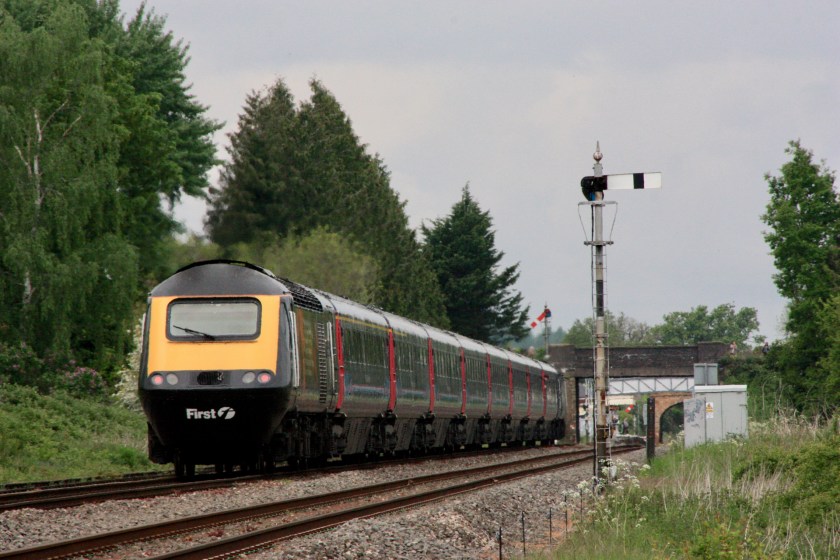
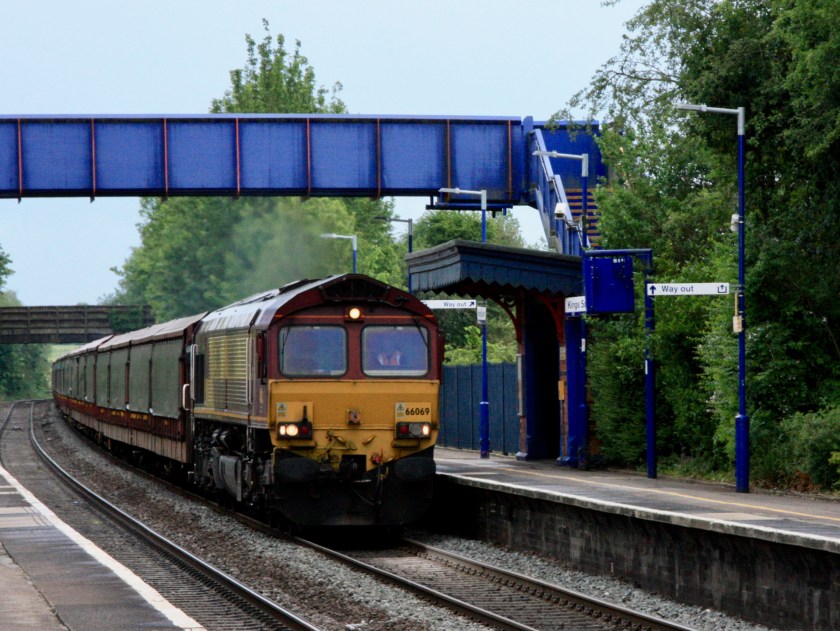 Not a place notable for its signalling interest, but a pleasantly rural spot that is worth a visit for the variety and frequency of traction passing through this very quiet station, four miles south of Banbury.
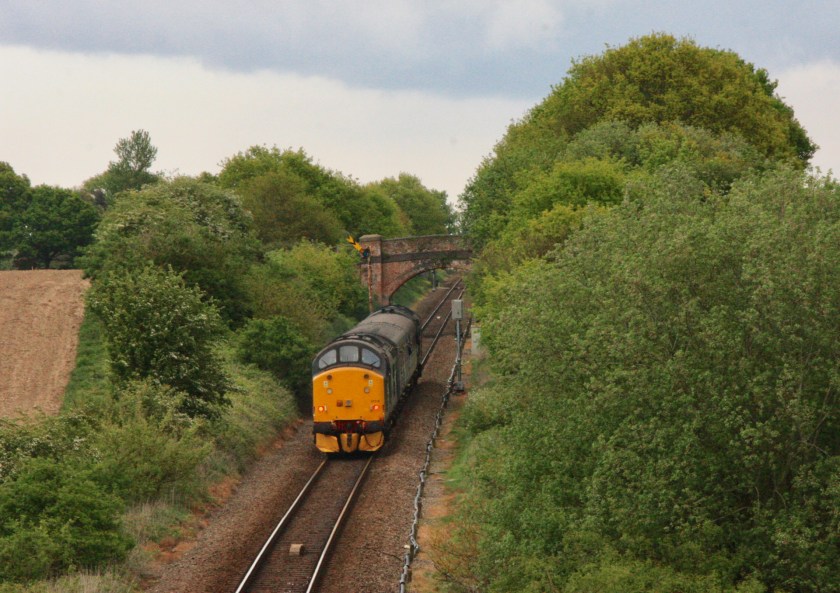 While the wait goes on for its newly-installed colour light signalling to be commissioned (see my previous post “A Wherry big delay”), one feature to savour on the Wherry Lines in Norfolk is the remarkable number of working semaphore distant signals.
 RailwayWorld.net
You must be logged in to post a comment.