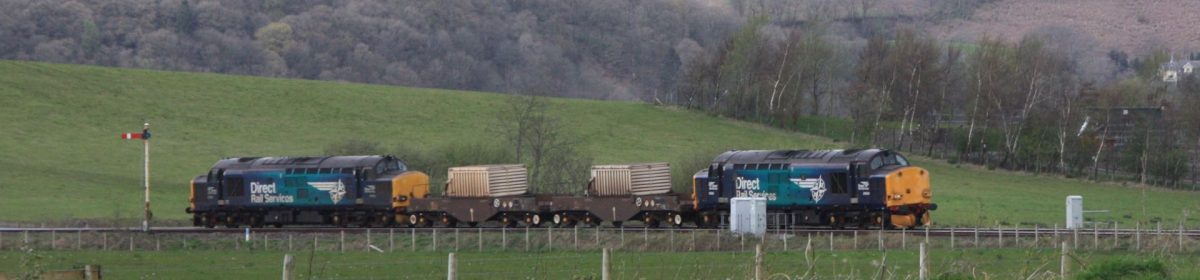
 Aside from looking at the fluctuating list of our least used stations, one of the other fascinating aspects of the annual ORR station usage statistics is to examine those stations which have seen most growth in passengers, and attempt to identify any pattern to the changes.
Having already reviewed our least used stations, I have now taken a look at those stations seeing most growth in 2018/9 compared to the previous year. The table below lists the 29 places on our network that saw passenger numbers rise by more than 50% year-on-year. Continue reading “Britain’s fastest growing stations 2019”
 Just like everything else about our railways, be it timetables, electrification or new rolling stock, it was running late. But 14 January 2020 has finally seen publication of the Office of Rail & Road’s (ORR) eagerly-awaited station usage statistics for 2018/9.
 After autumn visits to two of Germany’s wonderful narrow gauge railways on the Baltic Coast, my first overseas trip of the New Year took me to the opposite end of eastern Germany and by 750mm gauge steam to the country’s highest town.
 An October 2019 visit to Bognor Regis and Littlehampton had reminded me that the South Coast currently plays host to our oldest mainline EMUs – the fleet of 19 Class 313 units, which transferred from London Overground to Southern almost a decade ago (May 2010) and dates from 1976-7.
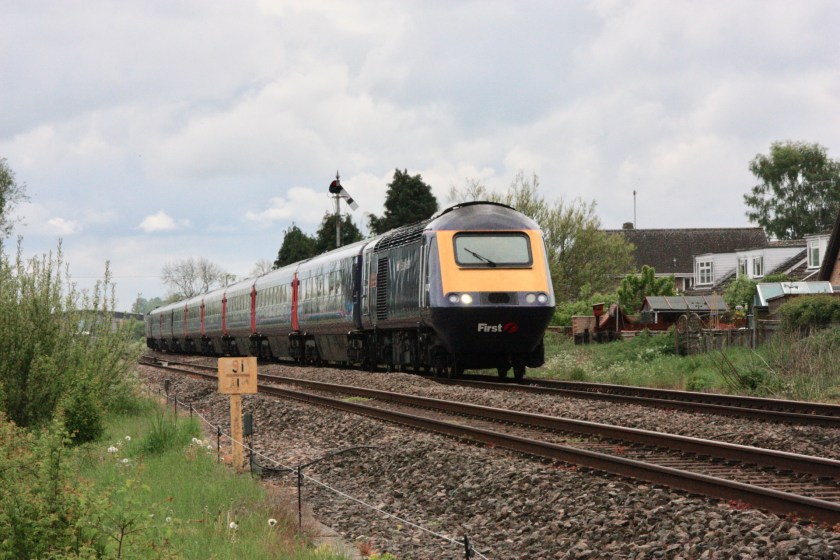 As another year draws to a close, this seems like the ideal opportunity to take a look back at 2019 on our railways, as captured on my travels around Great Britain over the past year, and a chance to reflect on the rapidly changing face of our network in some of my favourite images of the past 12 months.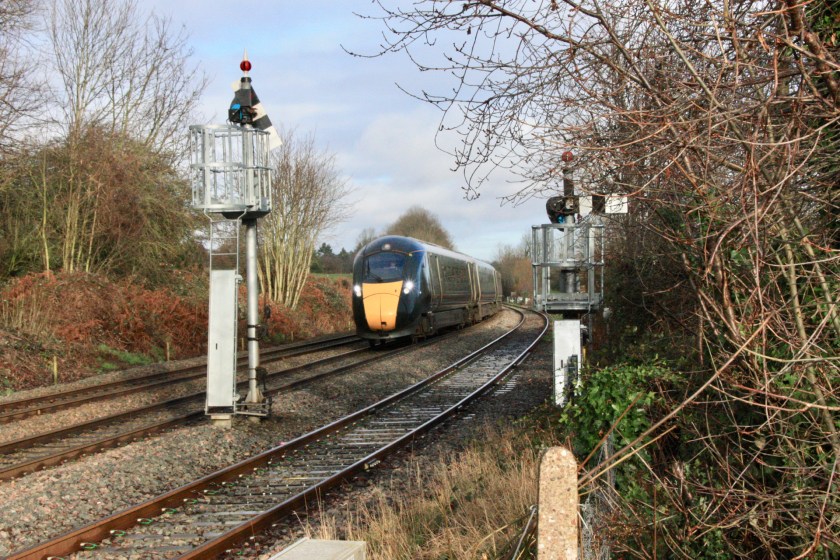
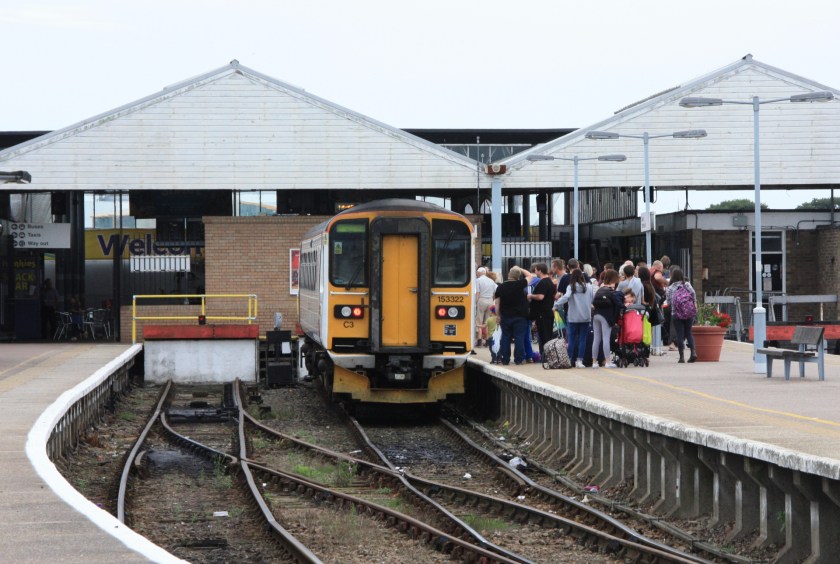
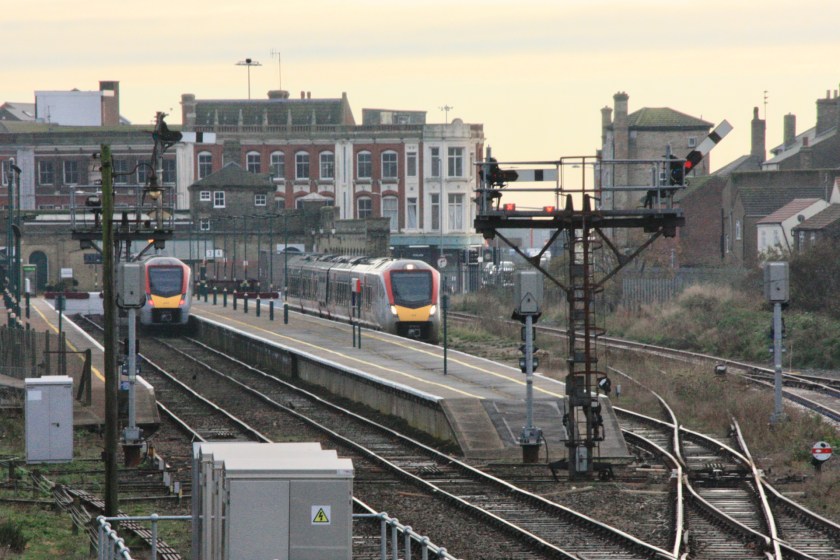 Less than two months from now and the Wherry Lines transformation will reach its final stage, with a three-week shutdown to complete and commission long-delayed re-signalling of the lines from Norwich to Great Yarmouth and Lowestoft.
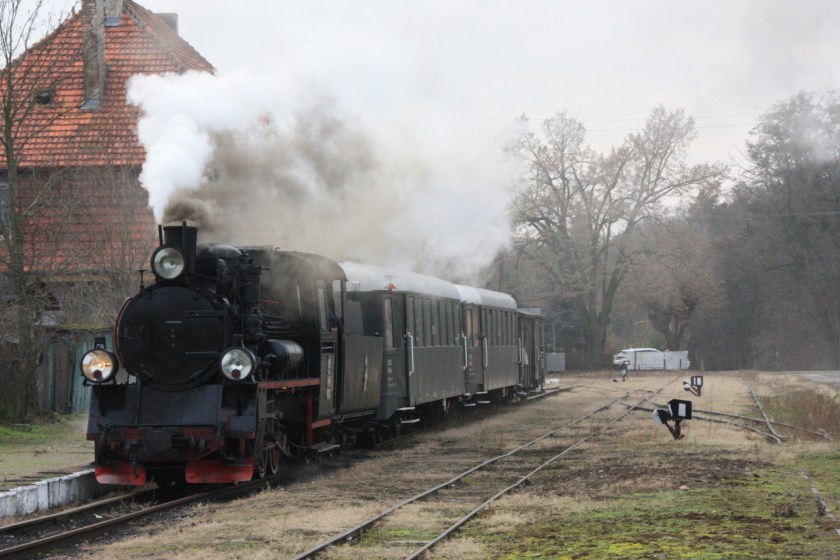 On my first ever visit to Poland 30 years ago (October 1989) I paid a visit to the country’s last steam-worked narrow gauge railway, a charmingly rural line that ran 14 kms westwards from a town called Sroda to the south of Poznan.
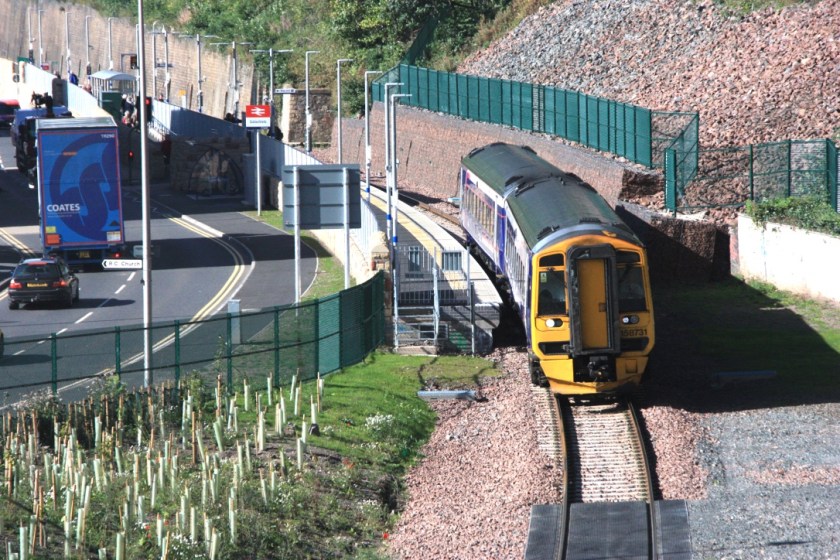 Transport and the railways was never going to take centre stage in an election that is dominated by Brexit and the NHS, but with all the manifestos now published there are a pretty wide range of promises being made to improve and expand our rail services.

You must be logged in to post a comment.