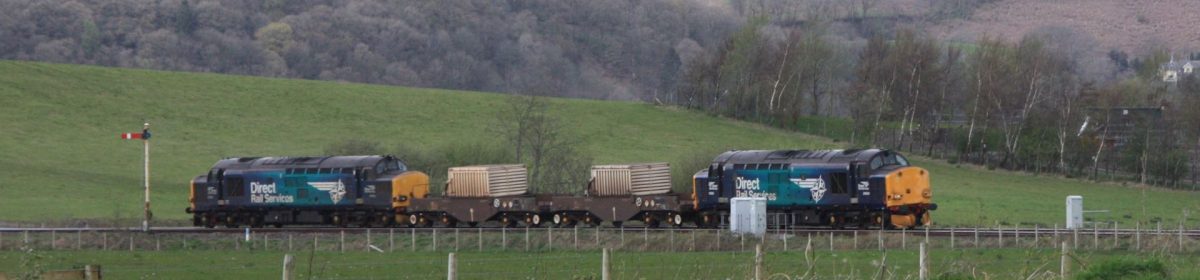
One month before nationalisation of GWR (on 13th December 2026) puts an end to the cheap Rover tickets I have made great use of over the past six years as a perk of working for FirstGroup as a Rail Replacement Coordinator, and a trip to Liskeard to see if any progress has been made in introducing the troublesome Class 175 units to service.
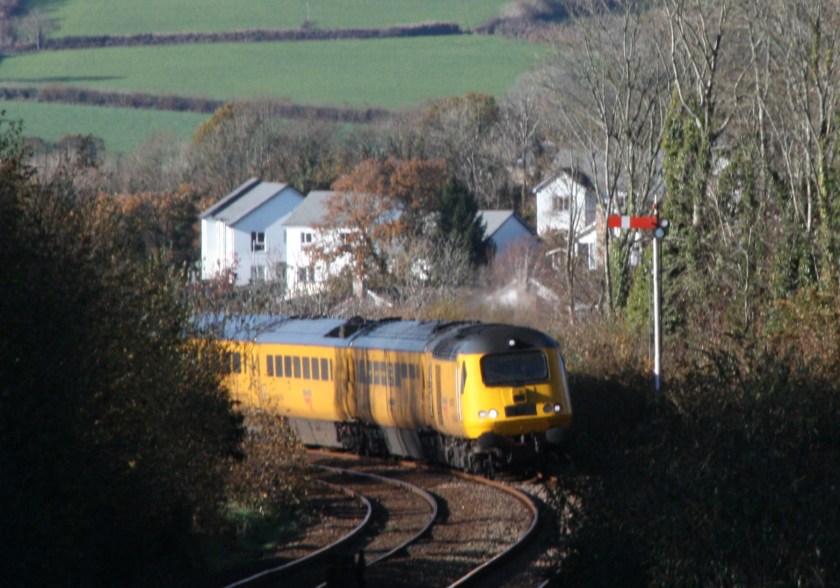
Hoping that it would be a lucky day, Friday, 13th November was also the date for the monthly visit by Network Rail’s “flying banana” HST test train to the Royal Duchy, so my aim on a fine sunny autumn day was to capture the HST, and hopefully rather more Class 175 action than I had seen on my previous visit in September 2026.
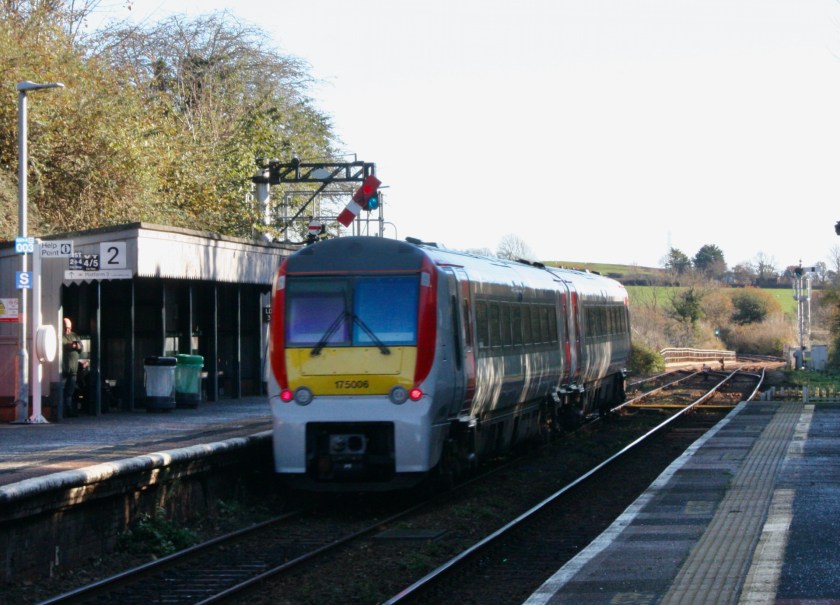
There seems to have been a slight improvement in Class 175 availability since my 22 September visit, when there was just one active unit in the Royal Duchy (175003), but there are still far more of these troublesome trains in the sidings at Laira depot than are in service or being tested on the line.
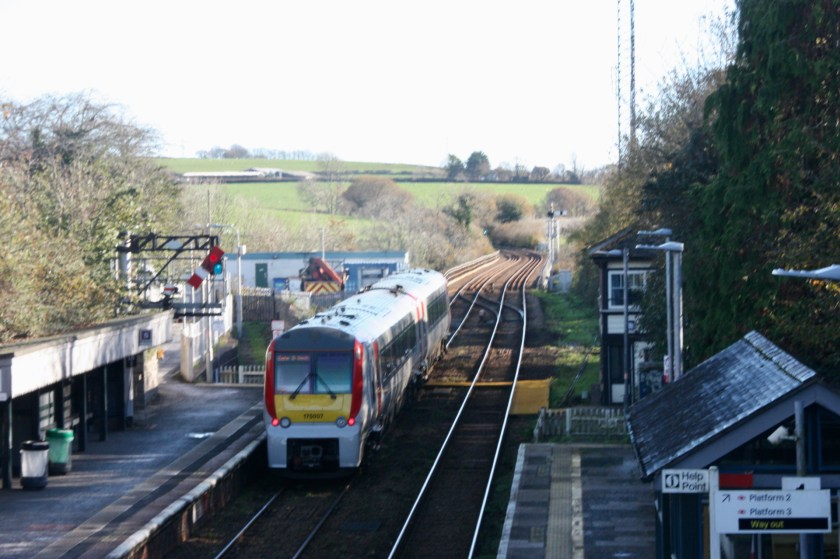
Unit 175003 was again in service on 13 November, working a diagram that encompasses two early morning short workings from Plymouth to Liskeard and back, a round trip to Penzance then finally another short late afternoon working from Plymouth to Liskeard.
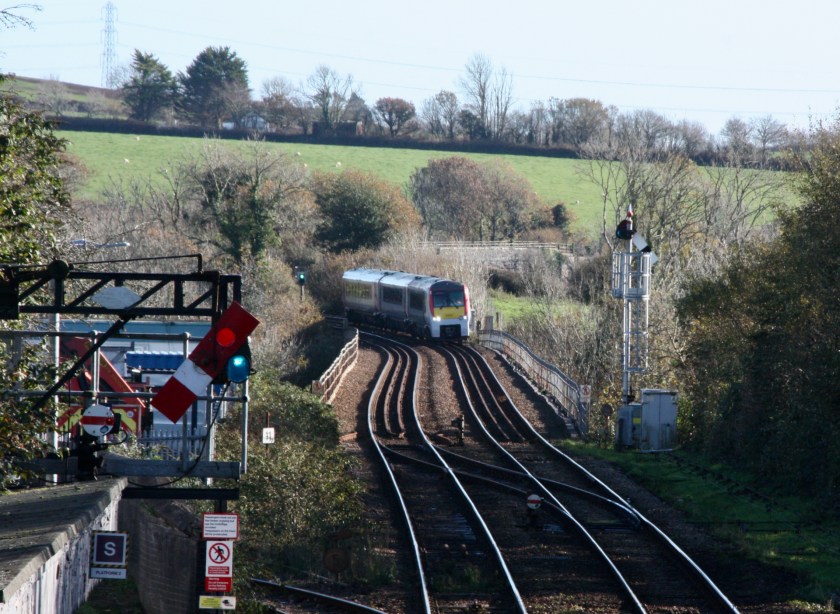
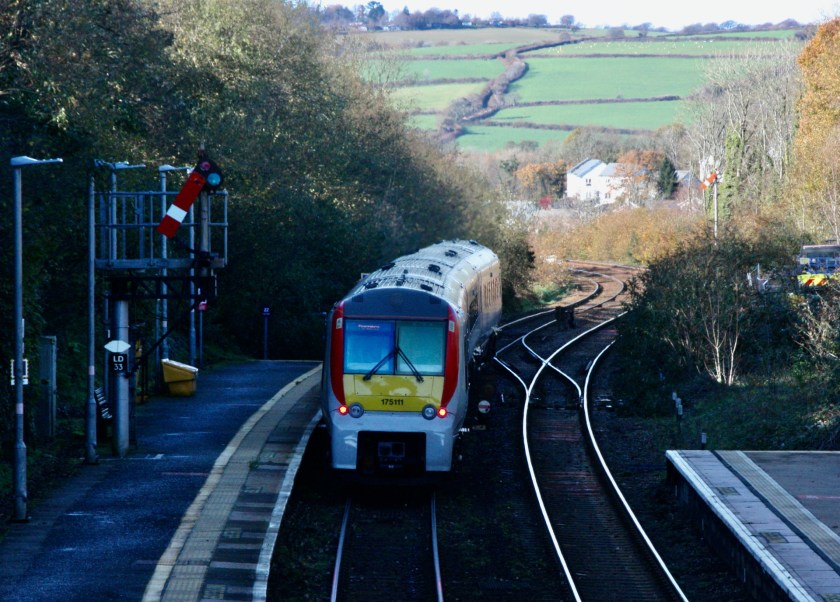
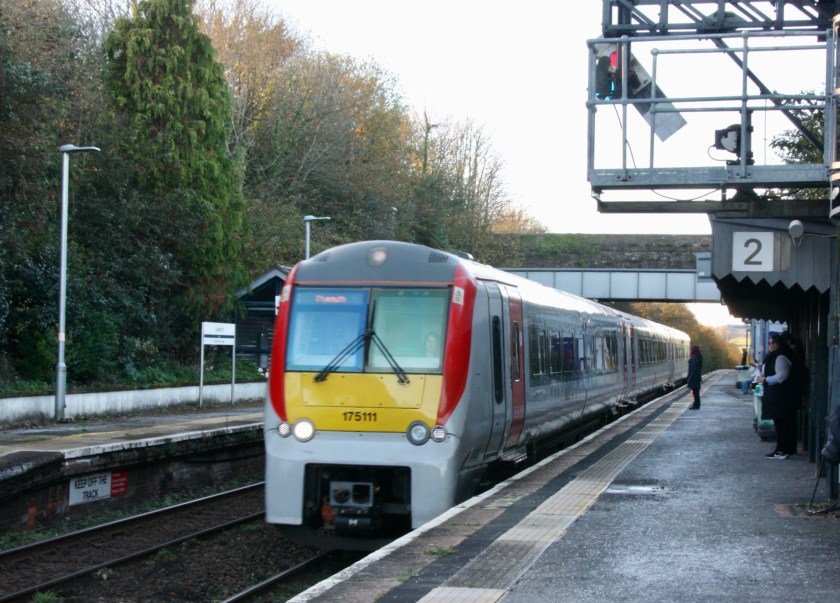
Two other classmates were in revenue earning service – 175007 and three-car 175111 – while 175006 was working the mileage accumulation empty stock service (5Z13), on this occasion making a single round trip from Plymouth to Penzance and back.
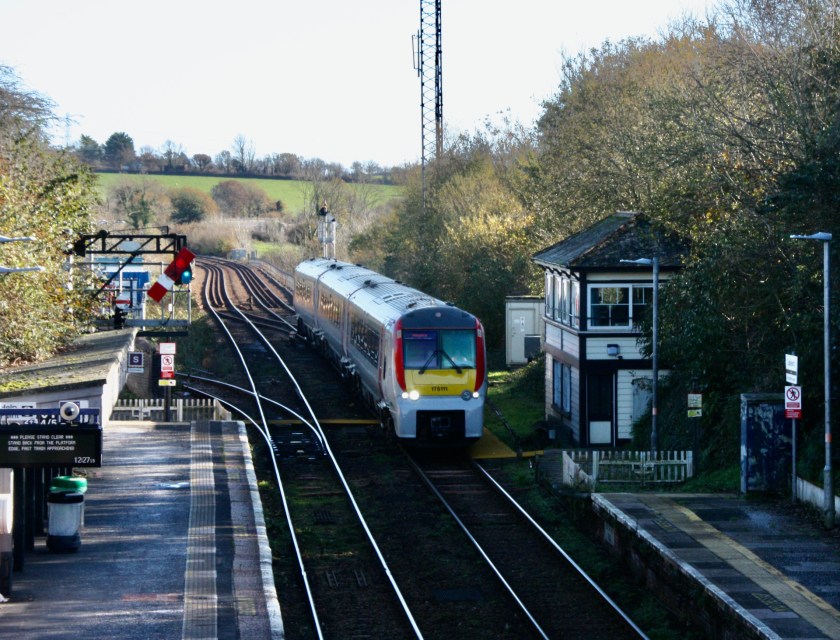
The Class 175s spent two largely uneventful decades (2003-2023) operating regional services in Wales, but by the time the entire 26-strong fleet was leased from Angel Trains to GWR in 2025 many of the vehicles had spent two years in open storage, leading to a deterioration that has recently been singled out for criticism by Rail Minister Lord Peter Hendy.
As I wrote in September, GWR has initiated a four-stage plan to get the troubled Class 175s into traffic. This plan includes a dedicated technical investigation team of GWR, Alstom and Angel Trains specialists carrying out a ‘full forensic review’ of all reported defects, then 1,000 miles of fault-free running and enhanced pre-service exams.
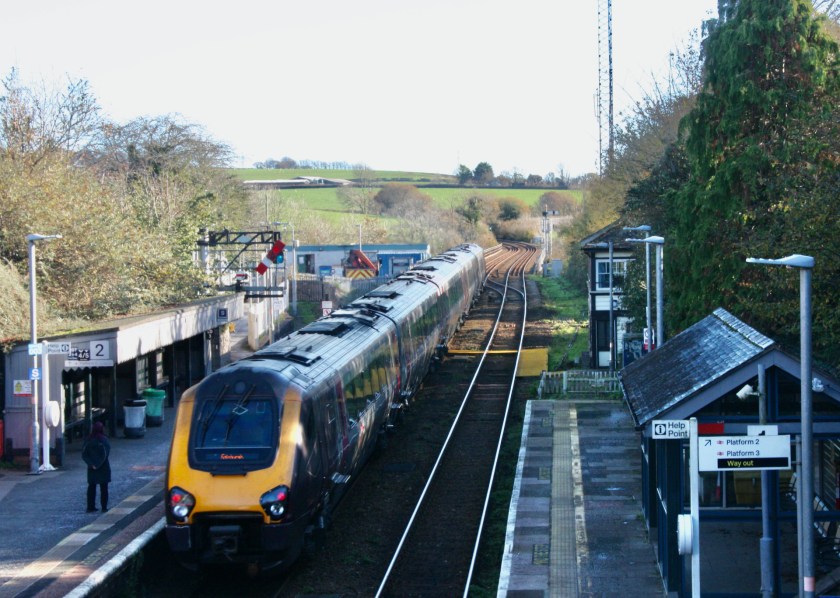
Besides Exeter/Plymouth-Penzance workings, the Alstom-built Class 175 fleet is also earmarked for use by GWR on the recently-enhanced Atlantic Coast Line (Par-Newquay) as well as the branch lines from Exeter to Okehampton and Barnstaple, but for the moment ageing Class 150 units remain the mainstay of these services.
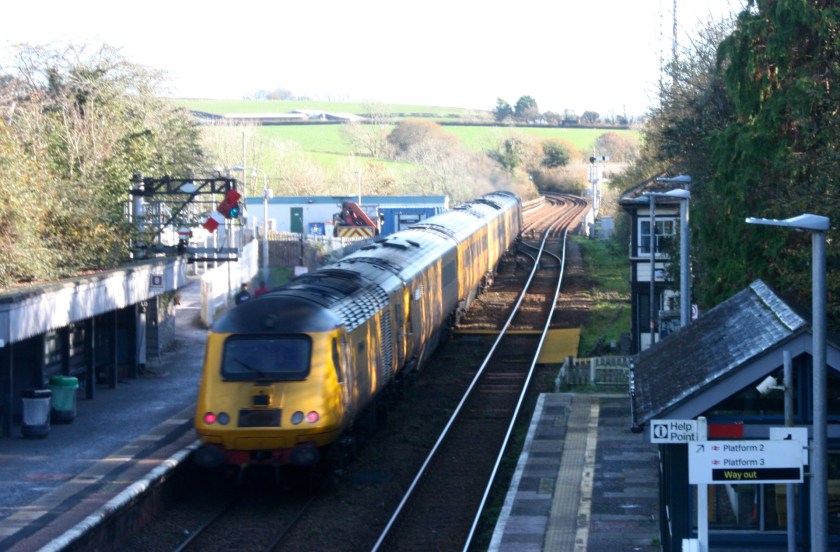
Meanwhile there was testing of a different kind at Liskeard on 13 November when the all-yellow “flying banana” Network Rail New Measurement Train, powered by 43014/013, made a fine sight as is passed through on its slightly delayed test working (1Q18) from Penzance to Paignton.
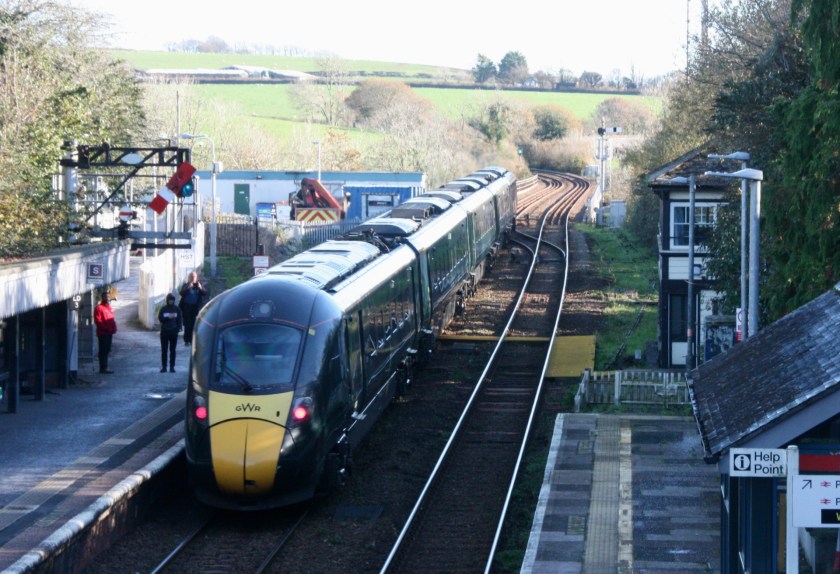
Of course, one of the great joys of visiting Liskeard is the chance to capture trains passing one of only two remaining outposts of mechanical signalling on the route from London to Penzance and a place with a celebrity up home signal, LD3, with its centre-pivoted wooden arm.
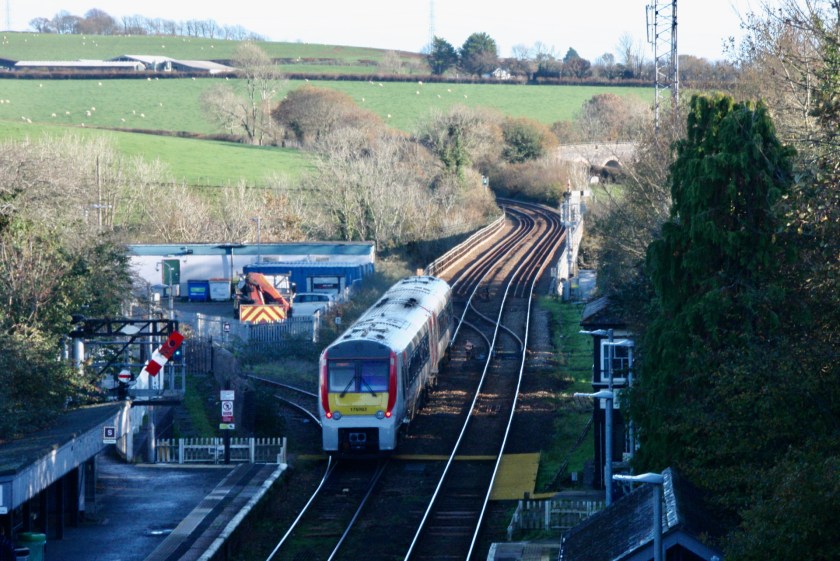
Four of the six semaphores controlled by Liskeard Signal Box (1915, Great Western Railway) can be seen from the station – down home signal LD34 at the station end of Liskeard Viaduct, up home LD3, down starter LD33 at the end of down platform 1, and down section signal LD32 beyond and on the right of the running lines.
For my customary break from railway action I took the ¾-mile walk from Liskeard station up the town centre to pay a visit to the Wetherspoon-owned King Doniert, where I re-hydrated with an excellent pint of Exeter Brewery County Best (4.6%/£2.30).


You must be logged in to post a comment.