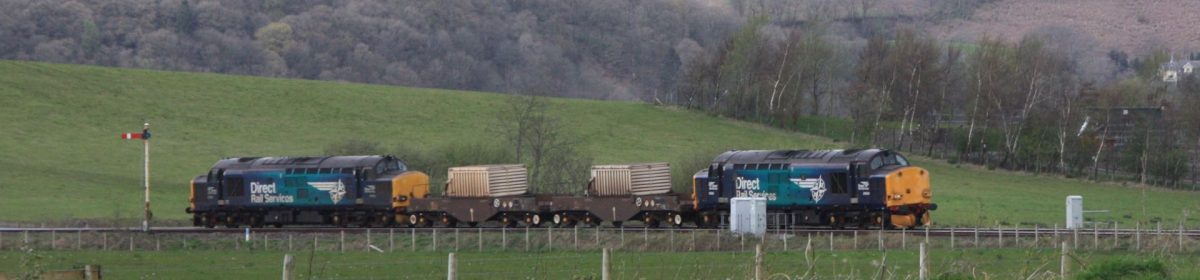
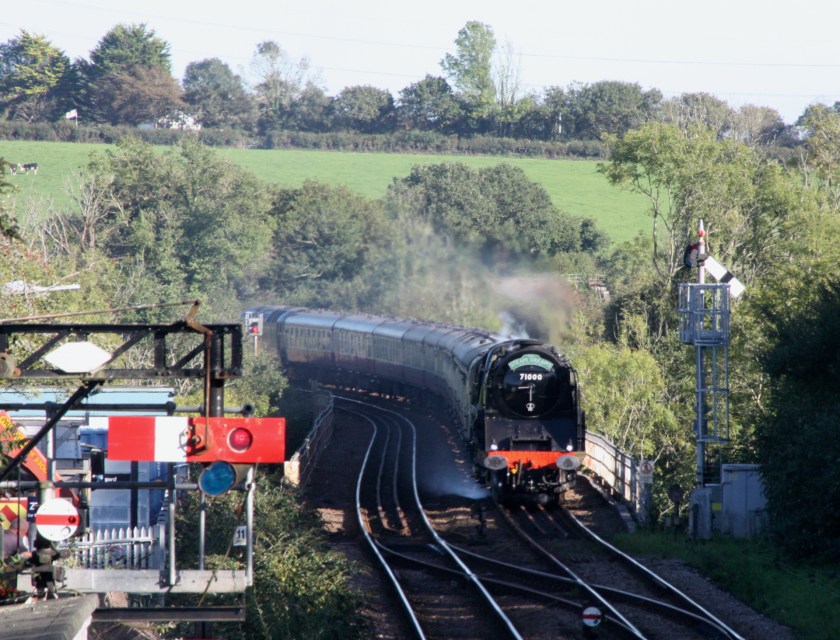
There are some places that I never tire of returning to for the chance to capture trains passing mechanical signalling, and one such place is Liskeard, the first of just two remaining outposts of semaphore signalling which anyone taking the 305-mile trip from London Paddington to Penzance will encounter.
Three months on from my Mazey Day visit, when there were two diesel-hauled specials to witness (27 June 2026), the star attraction on Tuesday, 22 September 2026 was steam haulage in the shape of 71000 Duke of Gloucester, powering the Taunton-Penzance leg of a luxury four-day Steam Dreams special (1Z72) from Paddington.
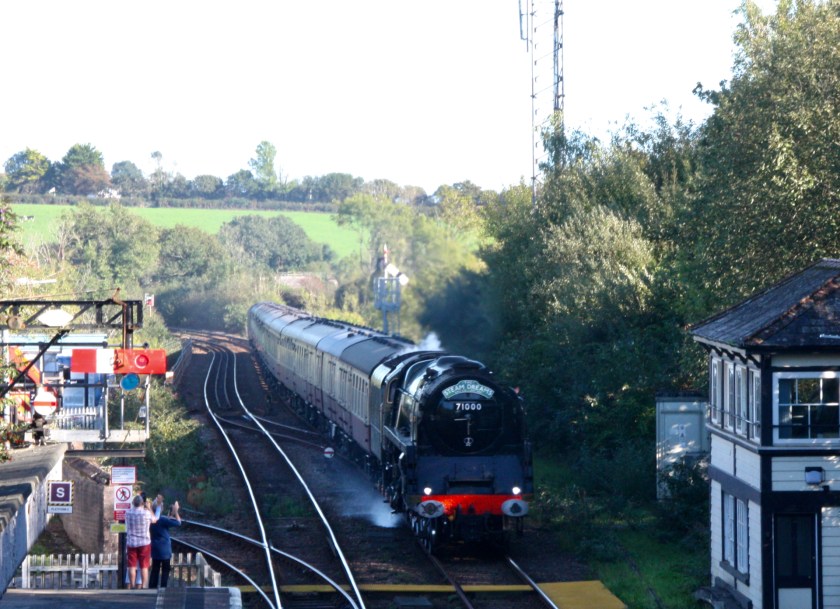
Duke of Gloucester is a rather magnificent and unique British Railways Standard Class 8P 4-6-2 Pacific, built at Crewe in 1954 and designed by Robert Riddles to work the West Coast Main Line expresses between Euston and Scotland. The prototype loco proved unsuccessful, so was withdrawn after a working life of just eight years and went to the Woodham Brothers scrap yard at Barry, before being bought for preservation.
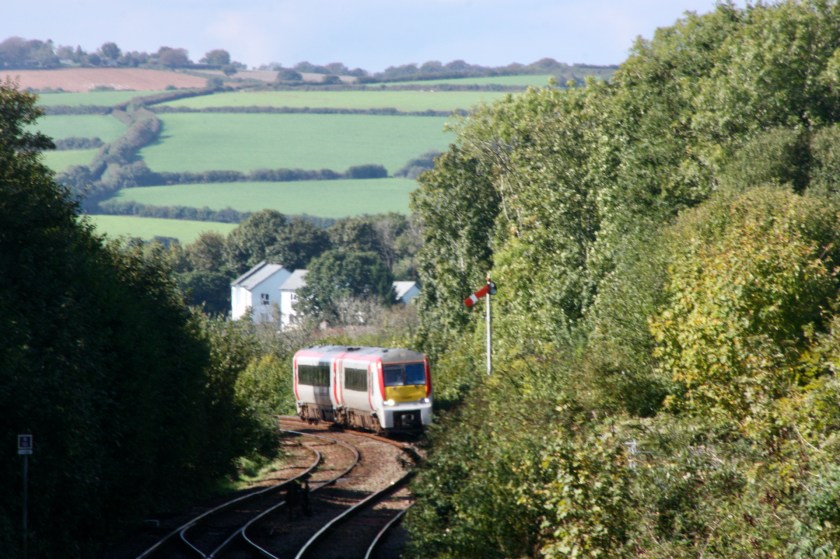
On the day of my visit I was also hoping to see special workings of a different kind, as test running continues with the highly troublesome Alstom Class 175 fleet, formerly with TfW, which GWR acquired after the vehicles had been in open storage for two years, during which time their condition seems to have deteriorated considerably.
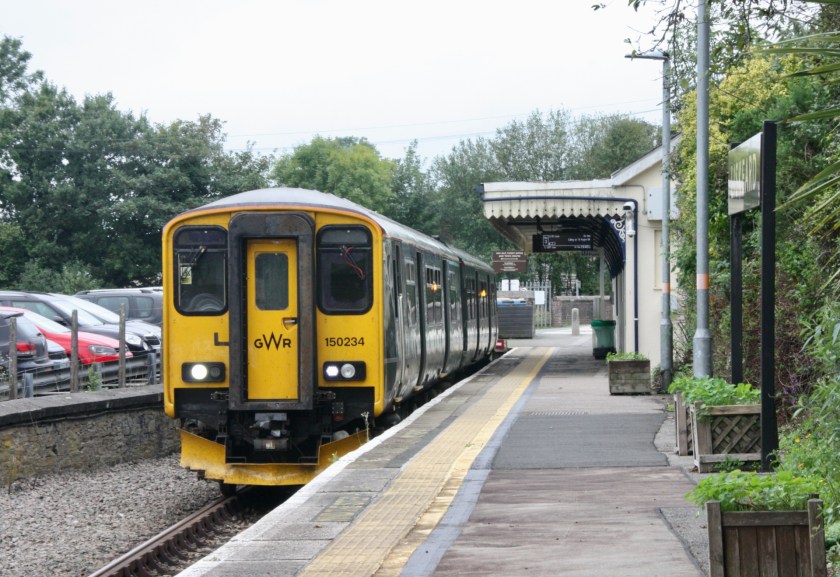
It is quite incredible that GWR was forced to retire the 2+4 Castle HST sets before the reliability of their successors had been proven, with the result that from 7 September there have been a number of cuts to Exeter/Plymouth-Penzance services, while each Class 175 unit is now required to complete 1,000 miles of fault-free running before being accepted for passenger service.
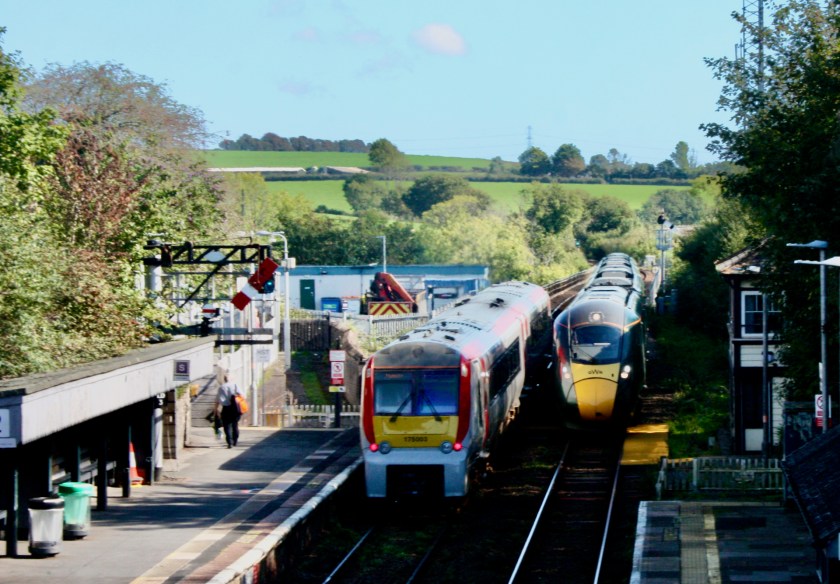
GWR has initiated a four-stage plan to get the Class 175s into traffic, although there is no firm date as to when that will be. This plan includes a dedicated technical investigation team of GWR, Alstom and Angel Trains specialists carrying out a ‘full forensic review’ of all reported defects, 1,000 miles of fault-free running and enhanced pre-service exams.
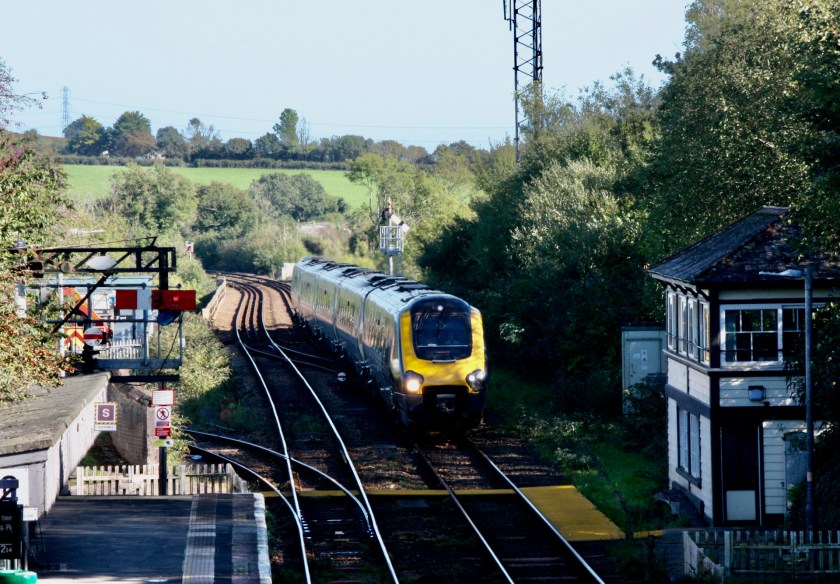
There is a weekday testing schedule for Class 175 units comprising a Plymouth-Penzance-Plymouth round trip (5Z13) starting at 07.51, followed by another trip to Penzance (departing 13.28) and return to Par (5Z14) then a final working (5Z15) from Par (17.53) to Penzance and back to Plymouth, a total of 407½ miles.
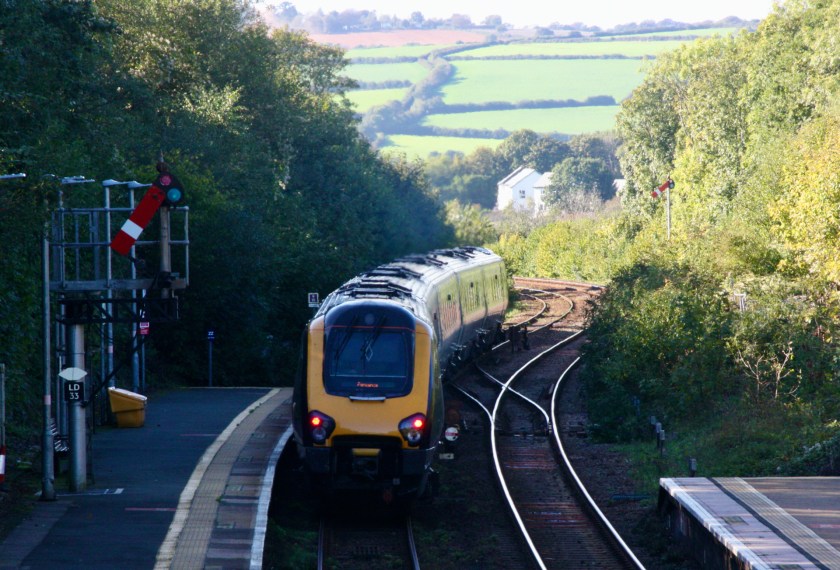
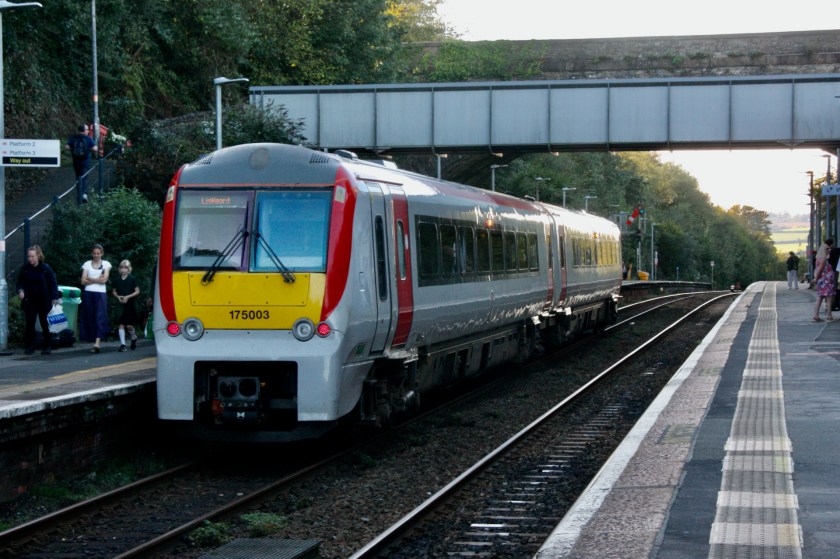
But none of these workings occurred on 22 September, when the only two units out on test (175114/011) were instead working between Plymouth, Newton Abbot and Exeter, meaning that the only unit operating all day in the Royal Duchy was 175003, whose passenger diagram consisted of two early morning Plymouth-Liskeard services, a round trip from Plymouth to Penzance and then another Plymouth-Liskeard turn (2C33/2P22).
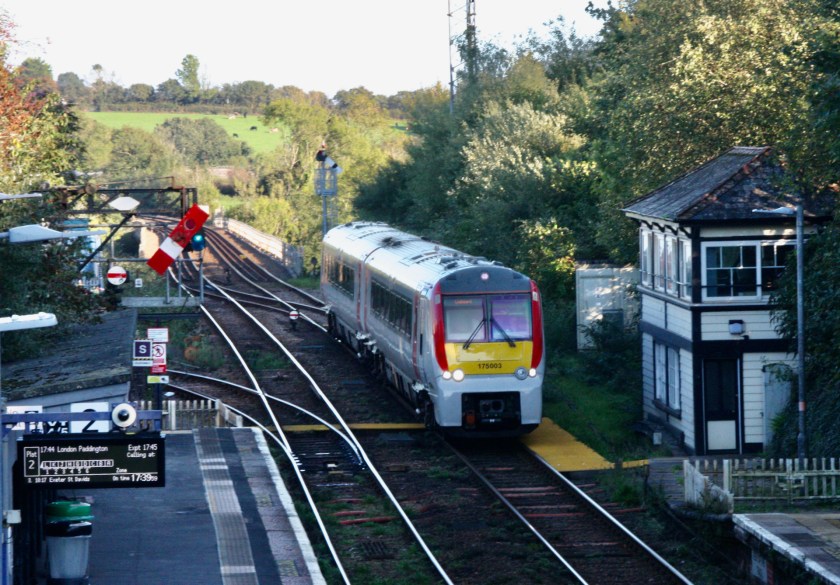
Liskeard Signal Box (1915, Great Western Railway) controls a total of six semaphores, with four in the down direction, comprising outer home LD35 followed by home signal LD34 at the station end of Liskeard Viaduct, starter LD33 at the end of the down platform and section signal LD32 beyond and on the right of the running lines.
In the up direction, the only semaphore signal visible from the station is celebrity home signal LD3, a wooden-armed centre-pivot signal at the end of the up platform. The only other up semaphore is outer home signal LD2, which stands roughly mid-way between the station and Moorswater Viaduct, and is seemingly impossible to photograph.
Returning from Liskeard to Reading aboard 1A96 (The Cornishman 16.13 ex-Penzance) meant a chance to sample the newly-launched Autumn menu of the delightful Pullman Dining service on offer in coach L of nine-car IET 800314, which became available once the train has departed from Totnes (18.43).
From the latest menu (£49.00 for three courses) I can recommend the Smoked Ham Hock Terrine starter, the Chicken & Cranberry Ballotine main course and the Sticky Toffee Pudding to finish. Popularity of Pullman Dining seems to be ever increasing, so it was reassuring to hear from the steward that its future post GWR-nationalisation on 12 December has been assured.


You must be logged in to post a comment.